
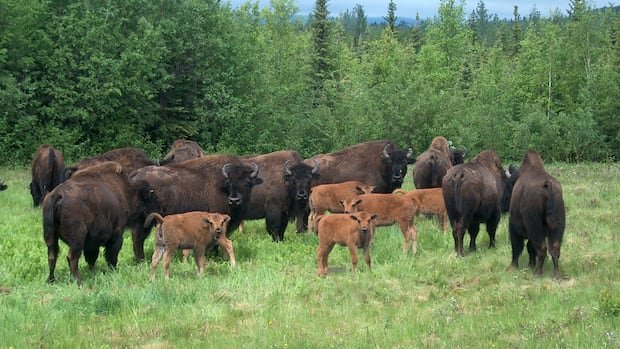

The Northwest Territories (N.W.T.) has observed a decrease in bison road collisions. According to data from the N.W.T. Department of Environment and Climate Change (ECC), there were 60 bison collisions between 2021 and 2025. However, in 2026, only one collision has been recorded.
Terry Armstrong, a bison ecologist at ECC, credits wildfires for this decline in collisions. He explains that wildfires prompt bison to alter their habitat preferences, with the animals moving to recently burned areas to take advantage of the fresh vegetation.
The burnt areas attract bison due to the regrowth of vegetation, diverting their attention from roadsides where they usually feed. This shift towards post-fire regions has led to a reduction in collisions.
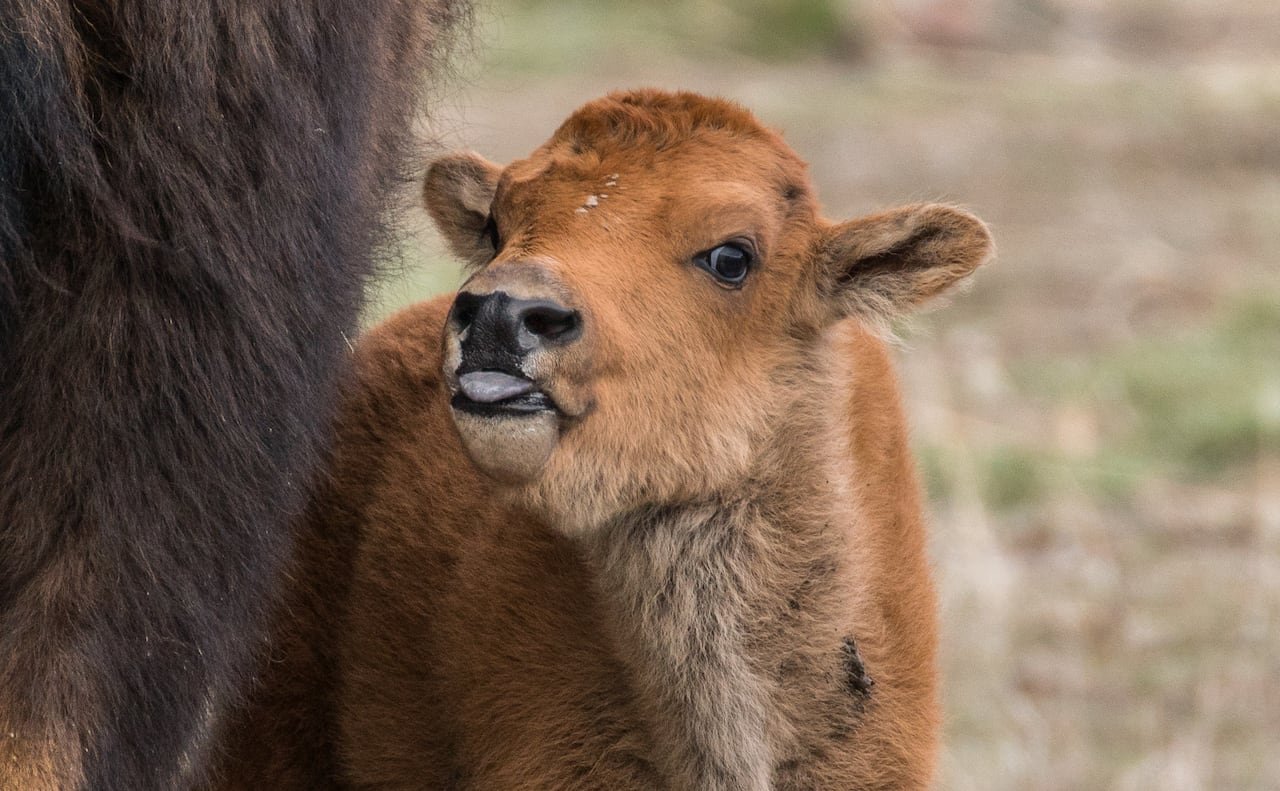
This development is positive for the N.W.T. bison population, which is considered threatened. Estimates from ECC suggest the current population is around several thousand, with over 2,500 individuals.
Toyeke Adedipe, an ECC spokesperson, revealed that between 2021 and 2025, at least 76 bison died in collisions, with some incidents involving multiple animals. The majority of collisions occurred on Highway 3, resulting in 45 incidents and 56 bison fatalities.
Armstrong highlights the rutting season from August to September as a period when bison exhibit more aggressive behavior towards vehicles. During this time, bison are focused on mating and establishing dominance, potentially leading to dangerous encounters on roads.
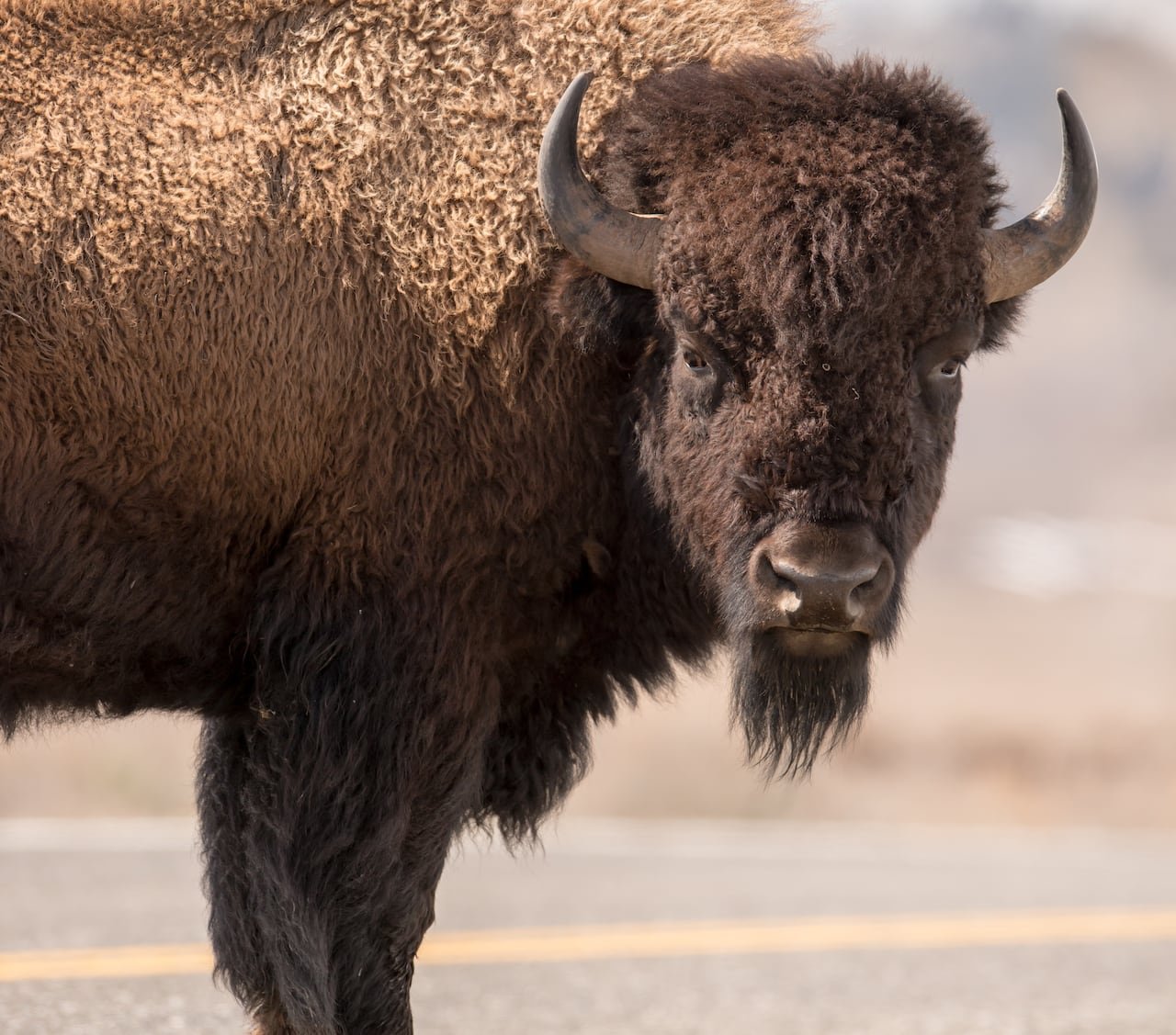
As daylight decreases, visibility on roads diminishes, particularly during dawn and dusk, increasing the risk of collisions. Armstrong warns that the absence of snow and clear roads during this period heightens the chances of encountering bison.
He advises drivers to proceed cautiously, maintain distance from bison, and refrain from actions that could startle them, such as honking. Interactions with aggressive male bison should be avoided, and approaching the animals or attempting to pet them is strongly discouraged.
Armstrong emphasizes the significance of respecting bison as they are a vital and rare species, urging people to appreciate their presence and maintain a safe distance to ensure harmonious coexistence.