
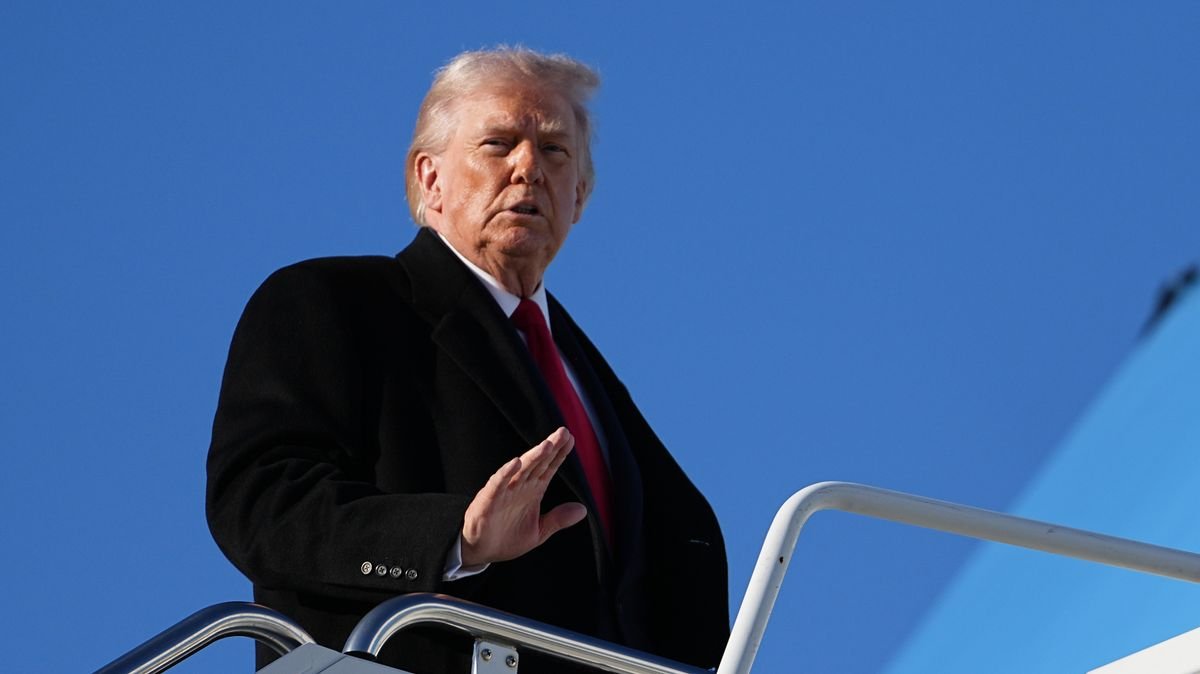

In the coming months, it is crucial to observe Donald Trump’s efforts to erode trust in American elections. Trump has persistently claimed, without evidence, that the 2020 election was rigged. Now, his focus shifts to the upcoming midterm elections in November, where his Republican Party is anticipated to face significant losses.
To counter potential setbacks, Trump supports the SAVE Act, a bill currently under consideration in Congress. The SAVE Act proposes stringent measures such as mandating photo ID for voter registration and limiting postal voting. Proponents argue that these measures enhance election security. However, critics highlight that millions of eligible voters lack photo ID, particularly young individuals who may face financial constraints. Additionally, concerns arise from the potential risks faced by voters of color, especially after recent incidents involving ICE.
Despite valid debates on election security, the primary aim of the Trump administration appears to be creating barriers to invalidate cast ballots. By introducing more stringent requirements, they seek to cast doubt on election outcomes, potentially declaring them fraudulent if unfavorable. This strategy hints at a reluctance to accept election results, especially if the Republican Party faces defeat.
The administration’s push for voter ID laws, irrespective of congressional approval, underscores their determination to influence election outcomes. Kristi Noem’s statements further emphasize the intent behind the SAVE Act, emphasizing the need for “right people” to vote for desired leaders.
Trump’s recent assertions on Truth Social regarding voter ID and election integrity signal a growing concern over the administration’s efforts to influence the electoral process. The push for stricter voting regulations raises questions about the administration’s commitment to fair and transparent elections.
In parallel developments, Trump faces legal challenges related to his administration’s plans to overhaul public spaces, including historic golf courses. These legal battles underscore broader concerns about Trump’s initiatives and their potential impact on public resources.
Furthermore, reports of the US government acquiring warehouses for immigration detention facilities raise alarm over the expanding detention infrastructure. The surge in detainee numbers underlines a troubling trend in immigration enforcement, prompting scrutiny over the administration’s policies.
As the political landscape evolves, Trump’s actions and policies continue to spark controversy and legal challenges, shaping the narrative around his administration’s legacy.