
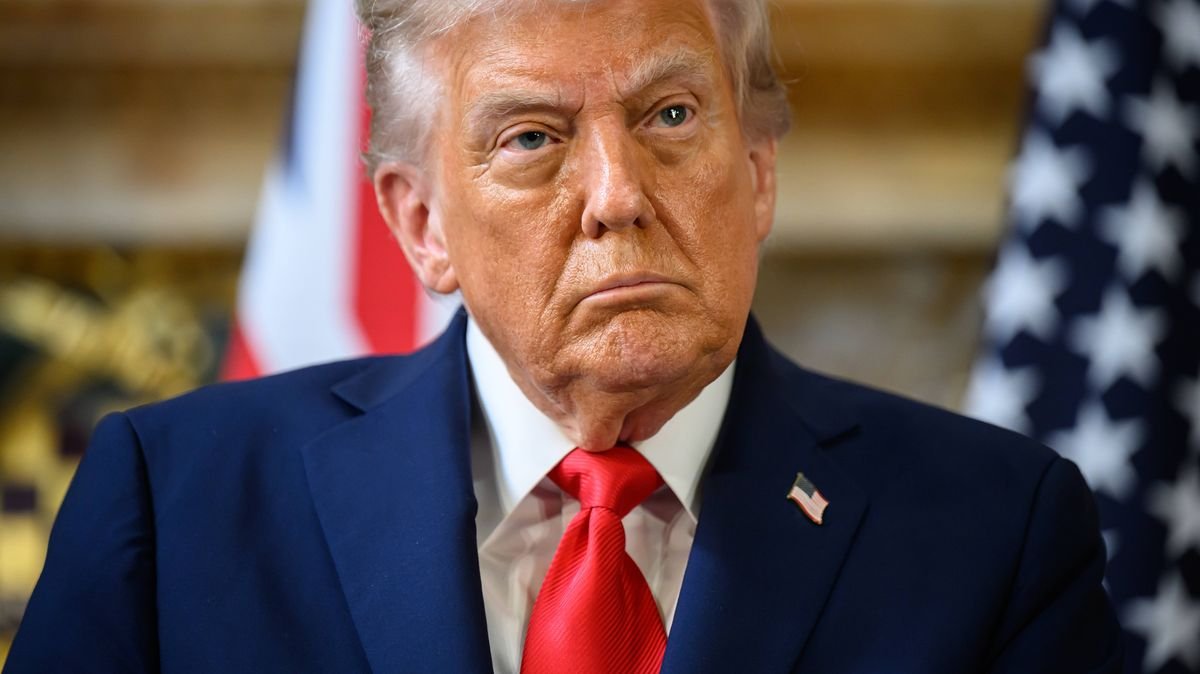

In the wake of ongoing controversial actions by Immigrations and Customs Enforcement (ICE) under the Trump administration, concerns arise over who might be targeted next. Recent arrests of journalists, including former CNN anchor Don Lemon and Emmy award-winning journalist Georgia Fort, have raised questions about press freedom and safety.
Lemon, with over 30 years of experience, and Fort, both now released, were taken into custody for their coverage of an anti-immigration protest at a church in Minnesota. The arrests occurred following the fatal shootings of nurse Alex Pretti and writer Renee Good by ICE agents last month, sparking national outrage and debates on law enforcement tactics.
Despite accusations of a “coordinated attack” on the church by US Attorney General Pam Bondi, Lemon and Fort maintain they were merely reporting on the protest as journalists. Lemon emphasized the need for global solidarity among journalists, a sentiment echoed by prominent Black British figures in a published open letter citing challenges faced by Black journalists in reporting on issues of state power, protest, racism, and injustice.
With a history of controversial remarks and behavior towards Black individuals, Trump’s actions against Black journalists are seen as a potential precursor to broader attacks on the press. His dismissal of critical reporting as “fake news” has already influenced political discourse globally. As media landscapes evolve and citizen journalism rises, the situation in the US reflects a growing trend of challenges to press freedom.
While some US media outlets have faced legal battles or compromised their independence under Trump, it is essential for all to uphold justice and accountability. The protection of journalists is crucial as they serve the public interest, highlighting the importance of defending press freedom for the sake of a free and informed society.