
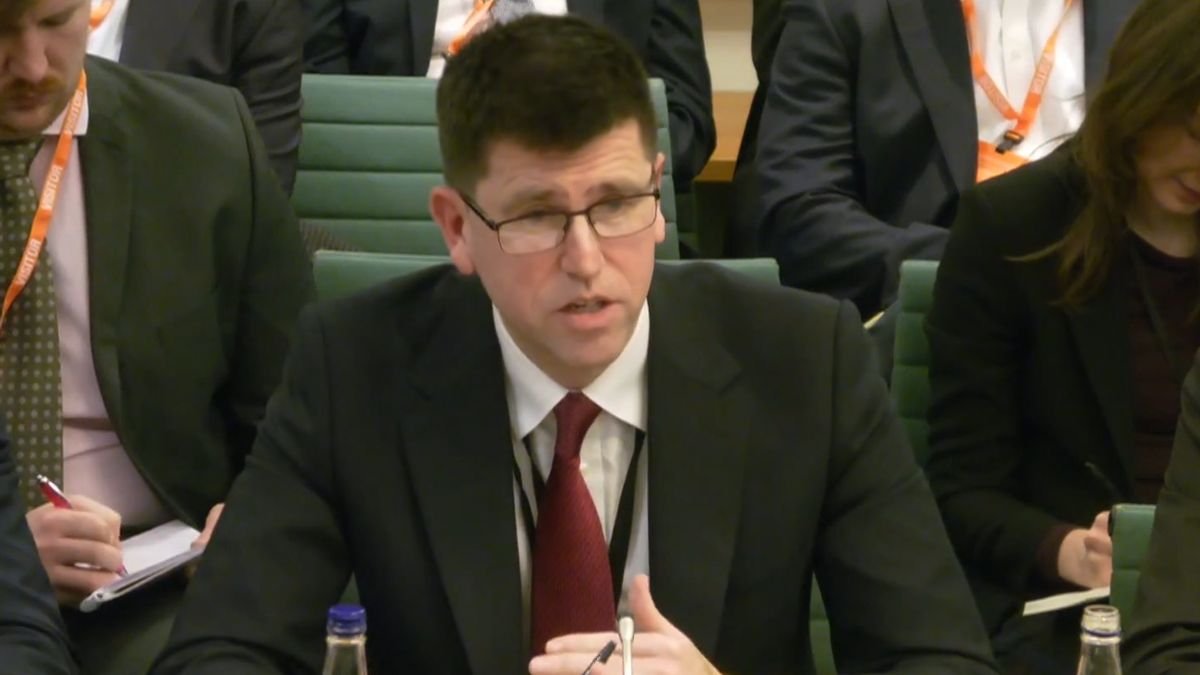

HMRC leaders briefed Members of Parliament on upcoming significant changes that will impact many taxpayers. The tax authority representatives attended a session with the Treasury Committee on January 13 to address inquiries regarding their operations.
During the meeting, John-Paul Marks, HMRC’s first permanent secretary and chief executive, highlighted the increasing workload faced by the organization and their continuous recruitment efforts. He anticipated a surge in responsibilities in the near future due to notable tax alterations, such as the modifications to ISAs announced in the recent Budget. Additionally, HMRC officials updated MPs on substantial proposals to modify how income tax is applied to state pensioners.
Marks emphasized several key areas where HMRC is implementing substantial changes, including plans to escalate the number of chargeable decisions, investigations, and the transformation involving third-party data and risk assessment.
A significant change that will affect numerous taxpayers was also brought to light by Marks. He mentioned that the Making Tax Digital initiative is set to roll out from the upcoming Spring, requiring specific taxpayers like sole traders, self-employed individuals, and landlords to maintain electronic records and submit regular reports to HMRC. The scheme will gradually expand to encompass more individuals, with those earning over £50,000 from the 2024 to 2025 tax year mandated to join from April 6, 2026. Subsequently, individuals with incomes exceeding £30,000 in 2025/2026 will be required to enroll from April 2027. The Government is additionally planning to introduce legislation to lower the income threshold to £20,000 from April 2028.
Regarding future concerns, Marks mentioned the issue of underlying resilience and security threats. He highlighted the evolving threat landscape and the potential disruption posed by malicious attacks. Despite improvements in resilience, he expressed ongoing apprehension. Notably, HMRC previously contacted 100,000 taxpayers following a data breach by hackers, with no financial losses reported by individual taxpayers.
On a positive note, Marks informed the committee about the improved telephone service at HMRC, with quicker responses to calls compared to the previous year. He also outlined the department’s strategy to tackle the ‘tax gap,’ which represents the variance between owed tax revenue and actual collections. Statistics from June 2025 revealed approximately £46.8 billion in outstanding tax during the 2023/2024 tax year.
In addressing the tax gap, Marks pointed out the Office for Budget Responsibility’s illustrative scenario of a projected decrease over the forecast period and emphasized the additional tax revenue expected through various tax gap initiatives.
To access the latest money-saving tips, shopping insights, and consumer news, visit the new Everything Money website.