
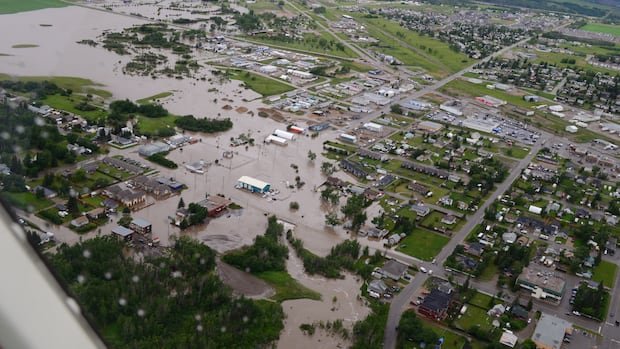

A recently published study is predicting a warmer and wetter climate future for northeastern B.C., along with more frequent extreme weather events for communities that have endured some of British Columbia’s most significant natural calamities in the past ten years.
The report forecasts that average temperatures in the area could increase by up to three degrees by the 2050s and by five degrees by the 2080s. This change could make summers resemble those in the Okanagan region and January temperatures feel more like historical March temperatures.
According to researchers from the Fraser Basin Council, these temperature shifts will have wide-ranging effects on infrastructure such as roads and water supplies, as well as impact how communities prepare for disasters like floods, wildfires, and evacuations.
The council, in collaboration with local governments and Indigenous communities in the region, conducted the study funded by the federal government. Northeastern B.C. has faced extreme weather events in recent years, including severe floods in 2016 that severed the region’s only road connection to the Lower Mainland and escalating wildfires like the Donnie Creek fire, the largest on record in B.C.
Jim Vanderwal, a researcher involved in the study, emphasized that the focus is on community readiness for the changing climate rather than the politics of climate change. He highlighted the necessity for communities to proactively plan for the future based on the anticipated climatic shifts.
Fort St. John has emerged as a shelter for individuals escaping wildfires, requiring increased attention from city staff and volunteer citizens. Chief Administrative Officer Milo MacDonald expressed pride in supporting neighbors during emergencies and underlined the city’s preparedness for such situations, acknowledging the growing pressure on resources.
The impact of rising temperatures is already evident in various aspects of city operations, with increased freeze-thaw cycles in winter taking a toll on infrastructure. The report projects that by 2080, the region could experience twice as many freeze-thaw days in winter, indicating the urgency for proactive measures to mitigate these impacts.
Regarding water resources, the study predicts longer growing seasons and more intense heatwaves in northeastern B.C. summers, coupled with shorter winters featuring increased rainfall and reduced snowfall in spring and fall. This forecast is likely to result in more frequent low streamflows and severe drought conditions, necessitating strategic planning for water management and infrastructure development.
Dawson Creek faced a water shortage crisis last year, prompting discussions on a new water supply system. Vanderwal emphasized the importance of preparing for water scarcity and the associated infrastructure needs in light of the projected climate changes.
In conclusion, the study underscores the critical need for communities in northeastern B.C. to prioritize climate resilience and adaptability in their long-term planning to mitigate the impacts of the changing climate.
Subscribe to CBC’s Fort St. John Weekly for comprehensive coverage of news and stories from B.C.’s Peace and Northern Rockies region.