
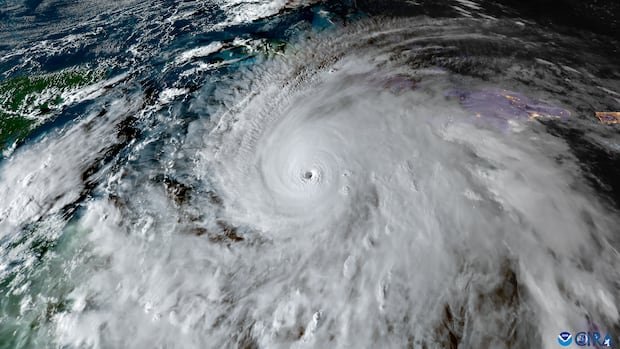

The Atlantic hurricane season has been notably quiet with only six named storms, most of which were short-lived. El Niño is being blamed for the lack of hurricane activity this year, according to Phil Klotzbach, a senior research scientist at Colorado State University.
El Niño, a significant natural event within the El Niño-Southern Oscillation (ENSO) cycle, is currently exerting a strong influence on Atlantic hurricanes. When the central Pacific Ocean’s temperatures rise 0.5 C above average, it signifies an El Niño event, disrupting weather patterns globally.
Recent models suggest that the current El Niño could be historic, with potential anomalies surpassing previous records. Lindsey Long, a meteorologist at NOAA, anticipates anomalies exceeding 2.6 to 2.7 C, setting new benchmarks compared to past occurrences in the 1980s.
This season’s subdued hurricane activity was predicted by NOAA earlier in the year, attributing it to the effects of El Niño. The warmer sea surface temperatures in the Pacific create vertical wind shear in the Atlantic, hindering the formation of hurricanes. Consequently, the Atlantic hurricane season may end up being one for the record books.
While the Gulf of Mexico still poses a slight chance for hurricane formation due to lower wind shear, the Caribbean remains unfavorable. In contrast, the Pacific Ocean has experienced heightened hurricane activity with 16 named storms reported thus far.
Despite the quiet Atlantic season, Tropical Storm Fay almost reached hurricane status recently, illustrating an unusual occurrence as it formed farther north than typical hurricanes. Although El Niño has suppressed Atlantic hurricanes, short-lived tropical storms have impacted Gulf communities.
Looking ahead, the El Niño event is forecasted to peak in late 2026 and persist into 2027, potentially affecting next year’s hurricane season. Klotzbach suggests that following an El Niño year, the subsequent season might see warmer Atlantic conditions, but the exact implications remain uncertain.