
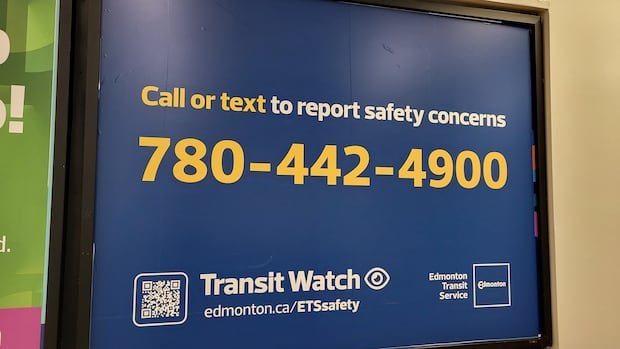

In the early hours of Monday, March 2, an incident occurred at Churchill Station in Edmonton involving an assault on a transit rider heading towards the Valley Line LRT. The rider later reported being struck in the face via a text message sent to Transit Watch, the safety reporting line of Edmonton Transit Services.
Several reports were received by Transit Watch on the same day, including instances of harassment, open drug use, drug transactions, setting fires at bus stops, and individuals brandishing a flame lighter inside a transit center. Despite the City of Edmonton’s ongoing efforts to enhance public transit safety by increasing the presence of peace and police officers, expanding outreach teams, and investing in cleaning and security enhancements, text messages sent to Transit Watch between mid-February and mid-March this year indicate persistent safety concerns among riders.
Many reports highlighted issues such as drug use and smoking in LRT stations, bus stops, and pedways. Riders expressed frustration at being exposed to illegal drugs and encountering individuals under the influence of substances like meth, crack, and fentanyl on transit premises. Incidents of harassment, verbal abuse, and antisemitic remarks directed at passengers were also documented. Concerns about safety hazards like drug deals, drug paraphernalia, public urination, and disruptive behavior were raised by transit users through text messages.
The feedback provided to Transit Watch painted a concerning picture of safety incidents occurring across the city, including instances of violence, fires, broken glass, and threats. Despite the City’s efforts to address these issues, the perceptions of safety among transit riders have remained relatively unchanged, with surveys indicating a consistent level of perceived safety during transit trips.
To address safety concerns, Edmonton Transit Services is implementing various measures, such as deploying additional peace officers and community outreach teams and enhancing infrastructure and communication within the transit system. City council members, like Coun. Anne Stevenson, have emphasized the importance of addressing root causes of social disorder and supporting initiatives aimed at improving safety on public transit.
While progress has been made in bolstering security measures, challenges persist in tackling issues related to drug use and social disorder on public transit. Experts in transit planning and safety advocate for sustained support from government partners to effectively address these complex challenges and ensure long-term improvements in public transit safety.