
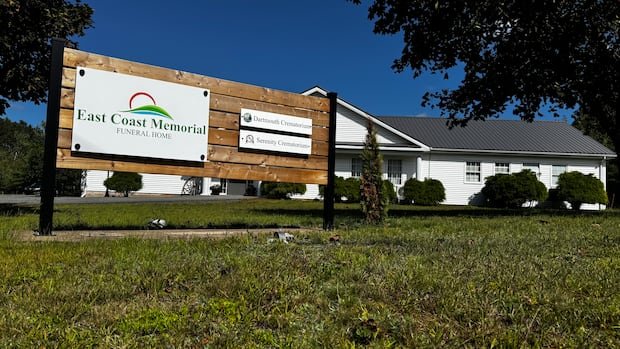

In Nova Scotia’s Annapolis Valley, some families are facing uncertainty after learning that the ashes they believed belonged to their loved ones may not have been the actual remains. Despite the possibility of using DNA testing to identify the ashes, experts caution that the technology only provides a slim chance of confirming the identities.
Following revelations from the new owners of the former Serenity Funeral Home, several families were informed that the cremated remains of their deceased relatives were discovered in storage. Michelle Carey, who utilized Serenity’s services for her father’s funeral in 2018, expressed skepticism about the prospects of definitively determining the true identity of the remains they recently buried.
Dean Hildebrand, overseeing the forensic DNA laboratory at the British Columbia Institute of Technology, highlighted the challenges of extracting sufficient DNA from ashes for identification purposes. While some traces of DNA may be present, the extreme conditions of a crematorium, reaching temperatures of 900 C for up to three hours, typically lead to the complete breakdown of organic material.
Despite the complexity of the situation, Hildebrand emphasized that efforts could still be made to identify the remains, suggesting that testing fragments of bone might yield useful DNA. The potential presence of a small metal disc with an ID number on the ashes buried by families could offer a means of tracing the original remains.
While the process of positively identifying the ashes presents significant difficulties, the ongoing investigation by provincial authorities and Nova Scotia’s funeral directors’ regulator aims to shed light on the situation. The families affected are grappling with the uncertainty surrounding the remains they believed to have laid to rest, hoping for clarity amidst the challenging circumstances.