
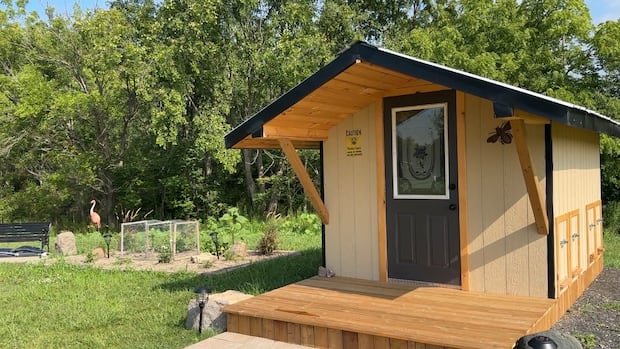

Half a million bees are creating a buzz on a farm in southwestern Ontario, offering visitors a unique way to unwind and combat stress. Located on Diana Graham’s 28-hectare property near Comber, Bees and Bloom Wellness provides a therapeutic experience known as bee bed therapy. In a cozy hut, four beehives sit beneath each of two wooden beds, separated by screens from clients who lie on top to benefit from the presence of the buzzing insects.
Advocates of this therapy, including Graham, highlight its potential to alleviate anxiety and stress, although scientific evidence supporting its effectiveness remains limited. Graham emphasizes the therapeutic effects of sleeping in close proximity to bees, with visitors reporting feelings of wonder and improved breathing due to exposure to bee pheromones. The setup ensures the safety of clients, as the bees cannot sting them.
According to Graham, the bees’ pheromones contribute to enhancing the immune system, respiratory health, and mental well-being by reducing anxiety, depression, PTSD, and sleep disturbances. The ambiance inside the cabin is infused with the soothing scents of honey and beeswax, further enhancing the wellness experience. Similar bee bed therapy centers can be found across Canada.
Visitors who have indulged in this unique therapy at Graham’s farm attest to its relaxation benefits. Christine Brady from Petrolia shared her positive experience, expressing delight at having access to such a facility in Ontario. Participants describe entering a meditative state, tuning into the vibrations, scents, and sounds emitted by the bees to achieve deep relaxation.
Annette Bourassa from Barrie, Ontario, echoed the sentiment, highlighting the incredible relaxation and therapeutic effects of the bee bed experience. She expressed a desire for more frequent sessions due to the calming influence of the bees’ hum, which helped her disconnect from stressors and achieve a profound sense of relaxation.
The cost of a 60-minute bee bed therapy session at Graham’s farm varies, with rates set at $85 for an individual, $120 for two people, and $300 for groups of four to six individuals. Graham, affectionately known as ‘the queen bee’ among her peers, diligently tends to the hives and ensures a safe and nurturing environment for visitors seeking the benefits of bee bed therapy.
The concept of bee bed therapy originated in Ireland, where Paul O’Neill and Anton Tovarnitskyi pioneered the establishment of commercial bee bed houses. This innovative approach to relaxation therapy has gained popularity across Europe and beyond, with enthusiasts worldwide exploring its potential benefits. While anecdotal evidence suggests a positive impact on well-being, the scientific community awaits further research to validate the therapeutic effects of bee bed therapy.
Researchers like Yanki Tandircioglu in Turkey have started investigating the impact of bee bed therapy on anxiety levels. Through experimental studies, significant reductions in anxiety levels were observed among participants exposed to bee buzzing sounds, indicating a potential link between bee bed therapy and mental well-being. However, further research is needed to fully understand the mechanisms behind these benefits and establish bee bed therapy as a recognized form of relaxation and stress relief.
In conclusion, bee bed therapy offers a unique and holistic approach to relaxation, drawing on the natural healing properties of bees to promote well-being and alleviate stress. While its effectiveness is supported by anecdotal accounts and initial research findings, ongoing scientific exploration will shed more light on the therapeutic potential of bee bed therapy in enhancing mental health and overall wellness.