

In the midst of ongoing tensions in the Middle East, the controversy surrounding Jeffrey Epstein and his network continues to reverberate despite the prevailing circumstances.
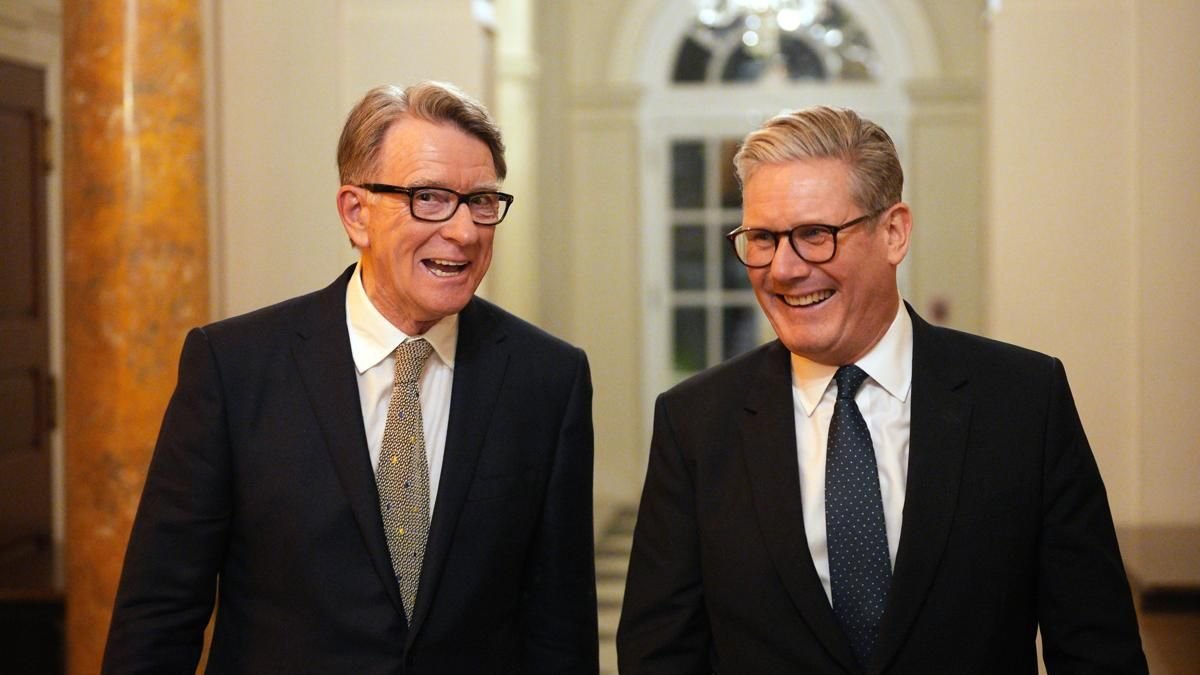
Recently, Keir Starmer faced renewed scrutiny over his appointment of Peter Mandelson as the US ambassador, given Mandelson’s association with the disgraced figure. This decision has raised significant concerns about the Prime Minister’s judgment, especially following a period of precarious leadership last month.
While initial disclosures from the Mandelson files did not unveil major revelations, they did highlight Lord Mandelson’s audacious demand for a £500,000 payment from taxpayers. These revelations do not absolve Mr. Starmer of accountability. A comprehensive 147-page report explicitly warned the Prime Minister about Mandelson’s ties to Epstein, including ongoing friendship post-conviction and stays at Epstein’s residence.
Downing Street officials express frustration over Scotland Yard’s refusal to release crucial exchanges between Morgan McSweeney, the former chief of staff, and Lord Mandelson. Speculation suggests that these exchanges may expose discrepancies in Mandelson’s statements. The recent release of documents is just the beginning, with a trove of communications set for public scrutiny, raising concerns about diplomatic relations.
The key inquiry remains focused on Starmer’s knowledge and decision-making process. Even if he was unaware of the full extent of Mandelson’s connections, the risks were evidently communicated to him. The potential benefits of Mandelson’s political acumen were weighed against these risks, including successful engagements with figures like Trump.
As the saga unfolds, the spotlight will ultimately fall on the Prime Minister, awaiting further revelations to either exonerate or implicate him. The unfolding events will be pivotal in determining the final judgment on this contentious issue.