
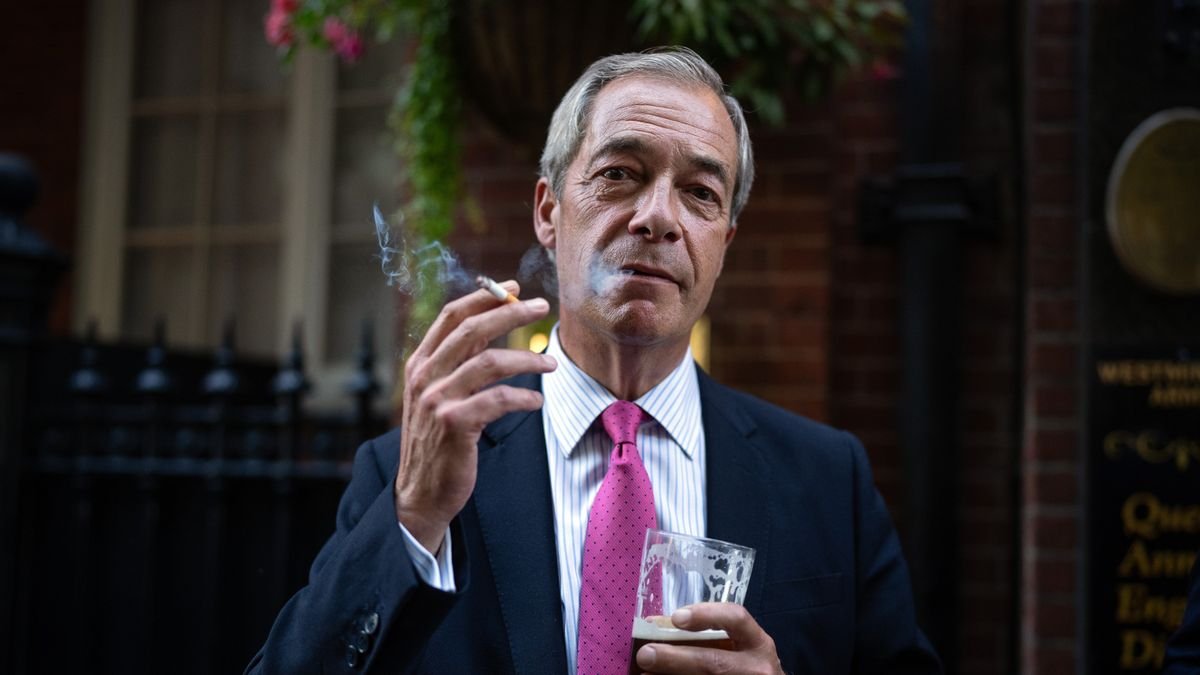

Nigel Farage is facing criticism for his financial dealings as an MP, with claims that he is profiting from undisclosed sources despite denying making money directly from his parliamentary salary. The leader of Reform UK has been found to have breached the MPs’ code of conduct by failing to promptly register financial interests totaling £384,000. Farage, who has earned over £1 million from secondary occupations since the general election, defended his actions by stating that his income is derived from his personal brand rather than his role as an MP.
Farage’s failure to disclose various financial interests, including payments from GB News, Direct Bullion, and Cameo, has raised concerns about transparency and accountability. While he admitted to the breaches and apologized, citing administrative errors, questions remain about the adequacy of his disclosures. Despite assertions that his financial interests are complex due to his TV presenting and business activities, critics argue that Farage’s conduct undermines the integrity of his parliamentary role.
The controversy surrounding Farage’s financial affairs has sparked calls for stricter regulations on MPs’ outside income to ensure public trust and accountability. With revelations of substantial earnings from media roles, endorsements, and speaking engagements, concerns persist about potential conflicts of interest and the prioritization of personal gain over public service. Opposition parties have criticized Farage for his perceived focus on personal enrichment rather than serving constituents, highlighting the need for greater transparency in political finance.