

Car ownership goes beyond the initial price tag, with long-term maintenance costs being a crucial factor for budget-conscious drivers. Factors like insurance premiums, fuel prices, and overall living expenses have been on the rise, but the ongoing maintenance of a vehicle often goes unnoticed until it becomes a financial burden.
Kazimieras Urbonas, the supplier excellence manager at Ovoko, an online platform for used car parts, emphasizes the importance of considering the ease and affordability of maintaining a vehicle over its lifespan rather than just focusing on upfront costs. Some car brands are more cost-effective to maintain and less likely to be written off after accidents, leading to significant long-term savings.
Ovoko conducted a study analyzing maintenance expenses and the likelihood of vehicles being written off for 20 top car manufacturers in the UK. The results revealed surprising insights, showing that some well-known brands performed worse in terms of long-term durability compared to more affordable options.
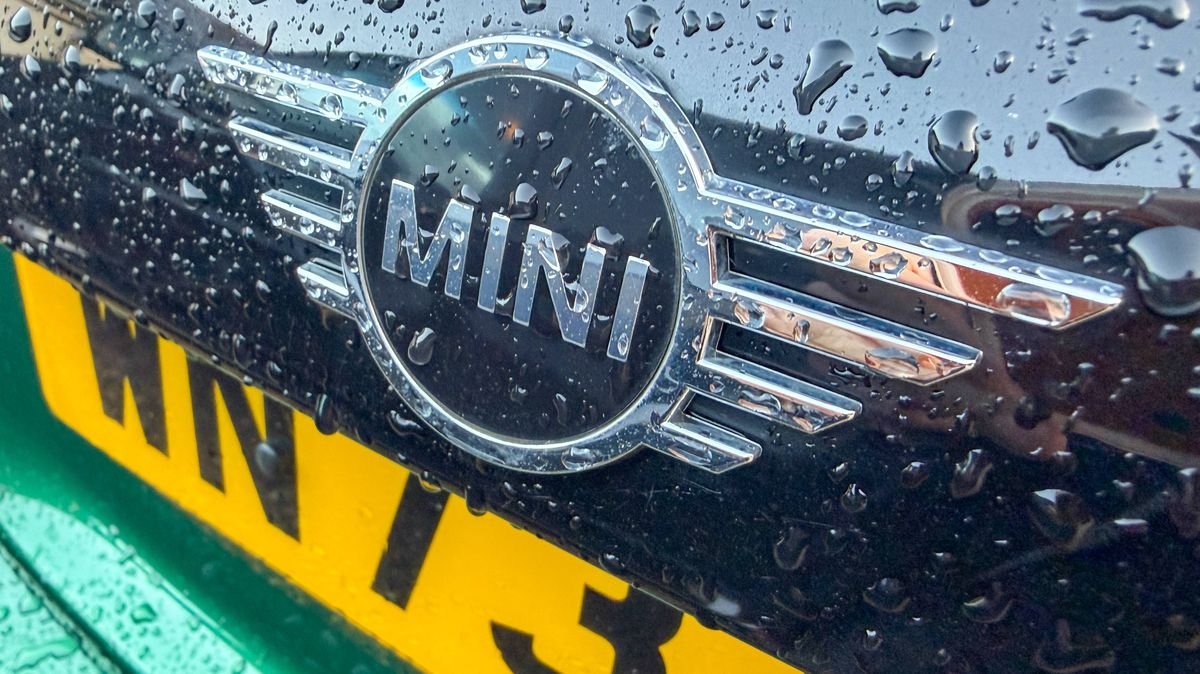
MINI emerged as the top-performing brand with a perfect score of 100, boasting reasonable annual maintenance costs of £425 and the lowest write-off rate at 63.16%. Hyundai secured the second spot with a score of 95, demonstrating a balance between budget-friendliness and reliability. Volkswagen rounded out the top three, scoring 92.6 with manageable maintenance costs and a moderate write-off likelihood.
Toyota, Skoda, and other brands also featured in the rankings, showcasing their maintenance scores and write-off probabilities. Interestingly, Honda, known for reliability, ranked lower due to a high likelihood of being written off after accidents.
On the contrary, luxury brands like Mercedes and BMW, while offering high-quality materials and robust construction, come with higher maintenance costs and increased chances of being written off. The availability of spare parts, repair costs, and structural design play critical roles in determining a vehicle’s longevity and survivability.
Urbonas advises consumers to choose car brands wisely, verify parts availability for used vehicles, and evaluate total ownership costs rather than just the initial purchase price. By considering these factors, drivers can make informed decisions to ensure their vehicles remain cost-effective and durable over the long term.