
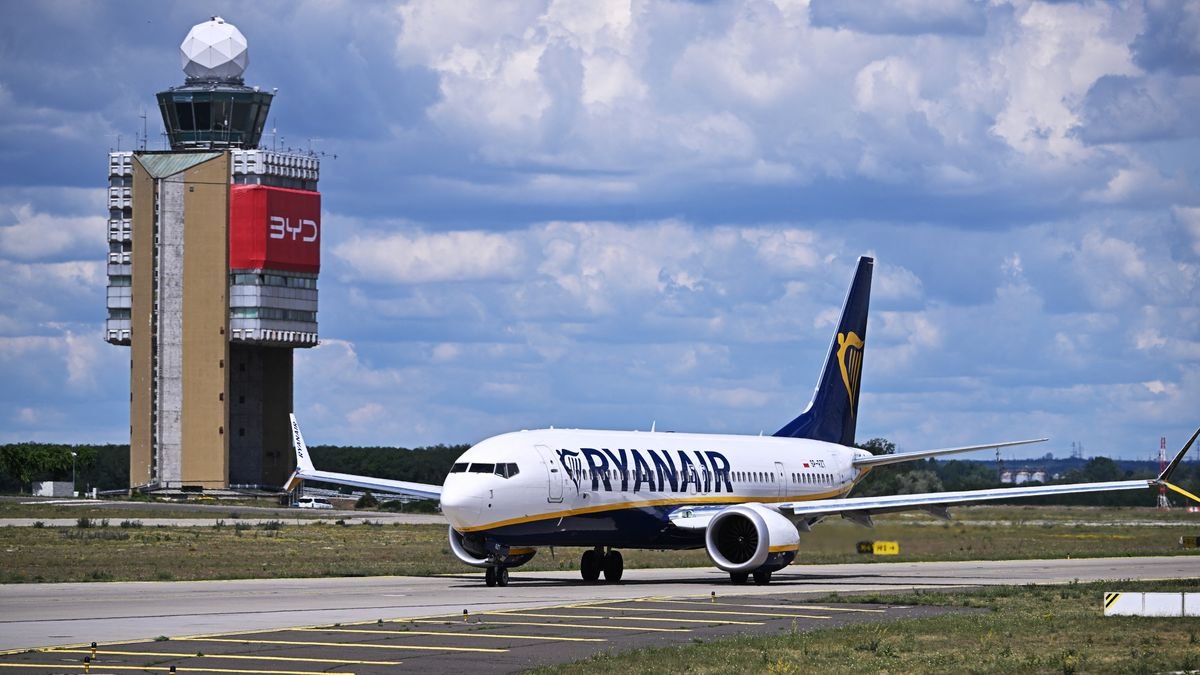

Ryanair recently provided an update on fuel initiatives for its passengers. The airline shared this information on social media, detailing upcoming changes to flight operations. In a YouTube post, Ryanair outlined its strategies to enhance flights in the upcoming years.
Titled “Pathway to net zero carbon emissions goal,” the video highlighted Ryanair’s commitment to reducing noise levels and fuel consumption, among other improvements. Ryanair, known as Europe’s largest airline group, aims to achieve its net-zero carbon emissions target by 2050, aligning with the Paris Agreement and the aviation industry’s Destination 2050 initiative.
The video showcased various areas of transformation, emphasizing the benefits of new technologies like 210 advanced aircraft that offer a 16% decrease in fuel usage and a 40% reduction in noise levels. Additionally, Ryanair emphasized the role of sustainable aviation fuel in reducing lifecycle emissions by 80% and highlighted operational enhancements like single-engine taxiing and dynamic flight planning to enhance efficiency.
Further details on Ryanair’s plans were shared on its website, outlining that 32% of carbon-emission reductions would stem from technological and operational enhancements, 34% from increased use of sustainable aviation fuel, 10% from the Single European Sky initiative, and 24% from offsetting measures. Collaborating with Trinity College Dublin, Ryanair aims to power 12.5% of its flights with sustainable aviation fuel by 2030 through innovative actions and research initiatives.
Destination 2050, an industry alliance dedicated to climate-neutral European aviation, envisions achieving net zero CO2 emissions by 2050 through collaboration between policymakers and the industry. By 2030, intra-European flight emissions are targeted to reduce by 55% compared to 1990 levels through fleet renewal, sustainable aviation fuel adoption, operational enhancements, and the EU Emissions Trading System.
The increase in carbon dioxide levels, a potent greenhouse gas, due to human activities, contributes to global warming, extreme weather events, and ocean acidification. It is crucial to address these emissions to mitigate the impact on the environment and achieve sustainable aviation practices.