
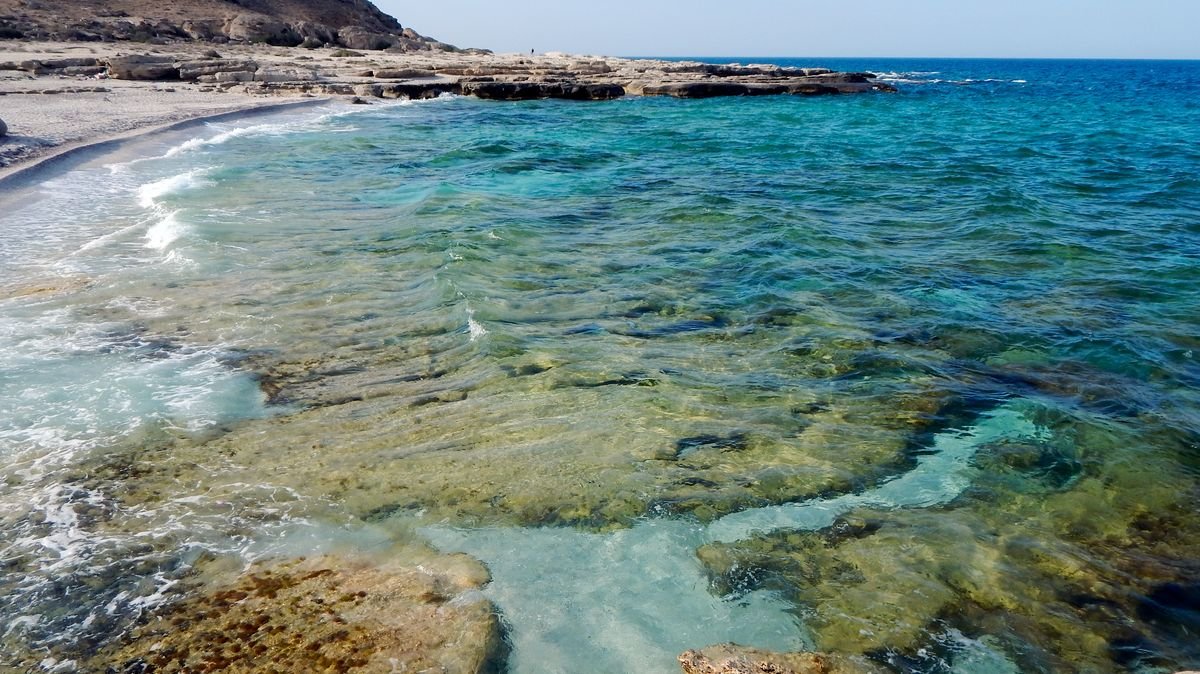

The largest lake in the world is comparable in size to Japan, with over 304 million lakes globally containing still or slow-moving water. Many of these massive bodies of water can be considered inland seas, although they are landlocked and linked to oceans through rivers or narrow channels.
The Caspian Sea holds the title for the world’s largest lake, covering a surface area of 386,400 sq km (149,200 sq mi) across Europe and Asia. Bordered by Kazakhstan, Russia, Azerbaijan, Iran, and Turkmenistan, the Caspian Sea lies approximately 27 meters below sea level.
In contrast, the Caspian Sea dwarfs Lake Superior, situated on the Canada-US border, by nearly five times, spanning 82,000 sq km (31,660 sq mi). This massive lake contributes up to 44% of the world’s total lake waters.
With an estimated age of around 30 million years, the Caspian Sea became landlocked about 5.5 million years ago. It is primarily fed by Europe’s longest river, the Volga, resulting in almost fresh water. Hosting over 130 rivers, including the Ural River and the Kura River, the Caspian Sea contains numerous small islands predominantly located in the North, with none in the deeper central areas.
Several cities, including Baku in Azerbaijan, Astara in Iran, Atyrau in Kazakhstan, and Derbent in Russia, are situated along the Caspian Sea. Known for its diverse range of species, the lake is famous for caviar and oil production, although pollution from the oil industry and river dams have negatively impacted its ecosystem.
Reports suggest that due to global warming, the sea’s depth may decrease by nine to 18 meters. The Caspian Sea hosts around 850 animal and over 500 plant species, many of which are endemic. Notably, six critically endangered sturgeon species, along with the unique Caspian seal and beluga, inhabit its waters.