
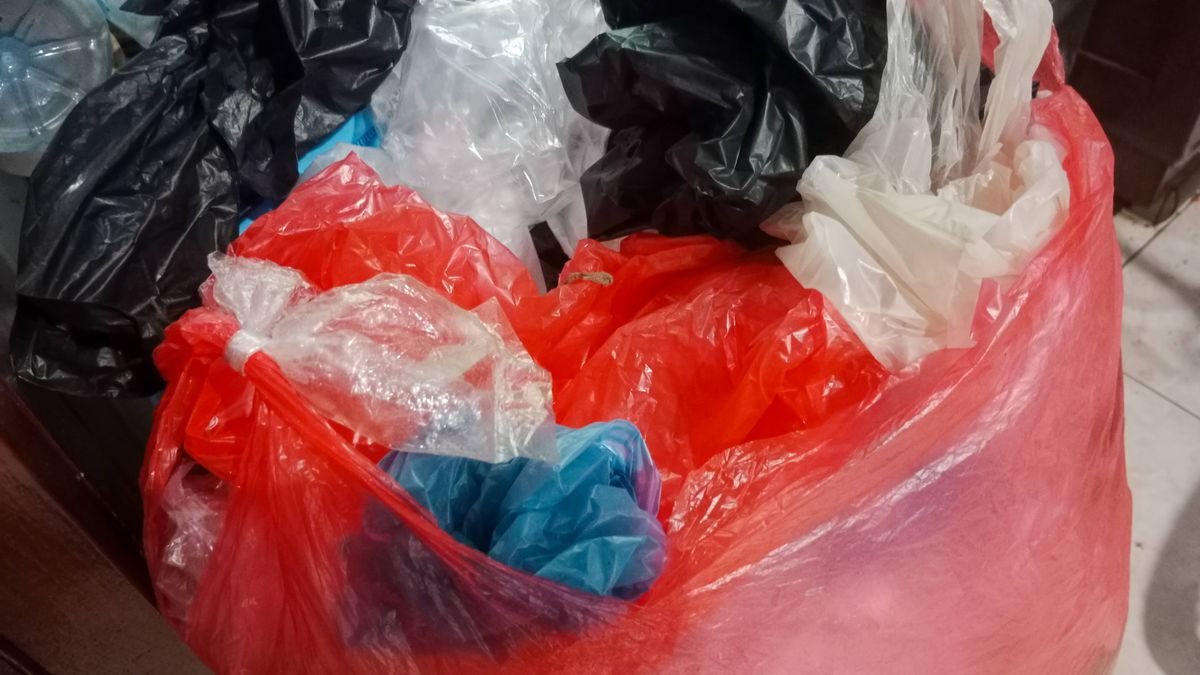

Soft plastics like crisp packets, bubble wrap, and grocery plastic bags pose a persistent environmental challenge as they are not easily recyclable through standard methods in the UK. Due to the need for specialized processing facilities, these materials often end up being downcycled into lower-quality products like bin bags or plastic garden furniture instead of being fully recycled into new items like milk or drinks bottles.
While some local councils offer kerbside collection for soft plastics, this service is not widely available. It is recommended to gather all soft plastics and take them to designated collection points at major supermarkets for proper disposal to prevent issues in general recycling processes.
Improper disposal of soft plastics in regular recycling bins can lead to equipment blockages and machinery damage, as highlighted by chemical engineering expert Erha Andini. Reports from the Waste and Resources Action Programme (WRAP) indicate that a significant 81% of people mistakenly place non-recyclable items in their recycling bins, contributing to contamination issues.
Although the UK currently lacks sufficient facilities to handle all collected materials, the growing demand for recycling soft plastics is expected to drive the development of more processing facilities. Therefore, ensuring correct disposal of soft plastics is crucial to support the recycling industry’s growth and reduce environmental impact.