
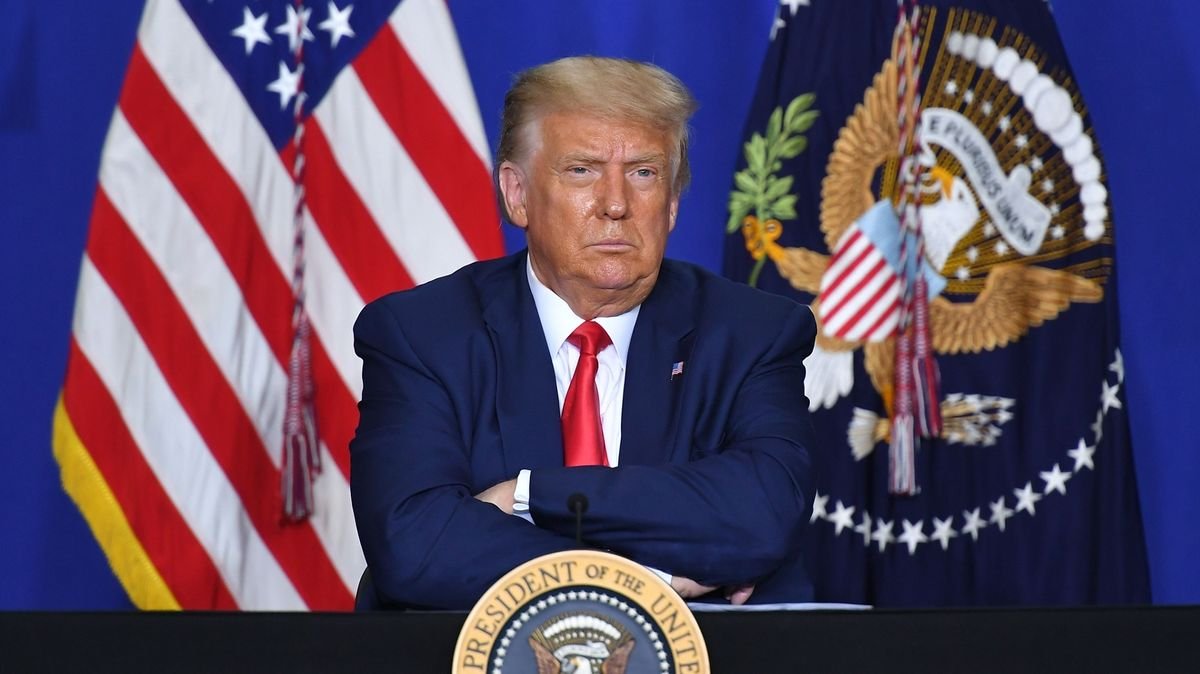

A significant debate arises regarding the recent developments involving Donald Trump and his plan to impose tariffs on European allies unless they agree to sell Greenland to him. The proposed tariffs, potentially reaching up to 25%, would be in addition to existing tariffs, including a base 10% tariff and other specific duties.
The United Kingdom and France took more than three hours to respond to Trump’s threat, which was initially hinted at in a casual manner during a White House event. The move was not entirely unexpected, considering Trump’s previous discussions regarding the imposition of tariffs. Some may attribute this situation to the decision to send a military attaché to Greenland, but the underlying issues go beyond a single action.
This escalation reflects a series of missteps over the past year in handling Trump’s behavior and policies. The normalization of using tariffs as a tool for diplomatic leverage and overlooking aggressive actions in international affairs have contributed to the current situation. Trump’s ultimatum of imposing tariffs on European allies highlights the need for a reassessment of diplomatic strategies and a more assertive stance against such tactics.
In response to the threat, various political figures expressed disapproval of Trump’s actions. Ed Davey criticized the UK’s stance on the issue, emphasizing the need to stand firm against Trump’s bullying tactics. Kemi Badenoch labeled the proposed tariffs as detrimental to both the UK and US economies, stressing the importance of respecting Greenland’s sovereignty. Nigel Farage also voiced concerns about the potential negative impact of the tariffs.
Keir Starmer reiterated the UK’s position on Greenland, emphasizing that its future should be determined by the Greenlanders and the Danes. He condemned the application of tariffs on NATO allies for pursuing collective security measures, highlighting the need for direct engagement with the US administration.
Meanwhile, Trump’s recent interactions and statements, including thanking the Iranian government for averting mass executions, have raised further questions about his diplomatic approach. The international community is closely monitoring these developments, considering the potential implications for global stability and relations between nations.
As the situation continues to unfold, it underscores the importance of diplomatic dialogue, strategic decision-making, and a unified approach to address challenges in international relations. The repercussions of Trump’s actions on tariffs and geopolitical dynamics remain a subject of concern and scrutiny on the global stage.