

Westminster is injecting some humor into the upcoming Monday, which is dubbed as the most depressing day of the year. Keir Starmer’s frequent policy reversals are drawing comparisons to a one-armed man on the dodgems, prompting jokes about a major flip-flop manufacturer considering legal action against him.
In a recent political move, Kemi Badenoch removed Robert Jenrick from her shadow cabinet amid speculation that he was contemplating switching parties. The question arises as to who would welcome an individual known for associating with controversial figures like Tommy Robinson supporters.
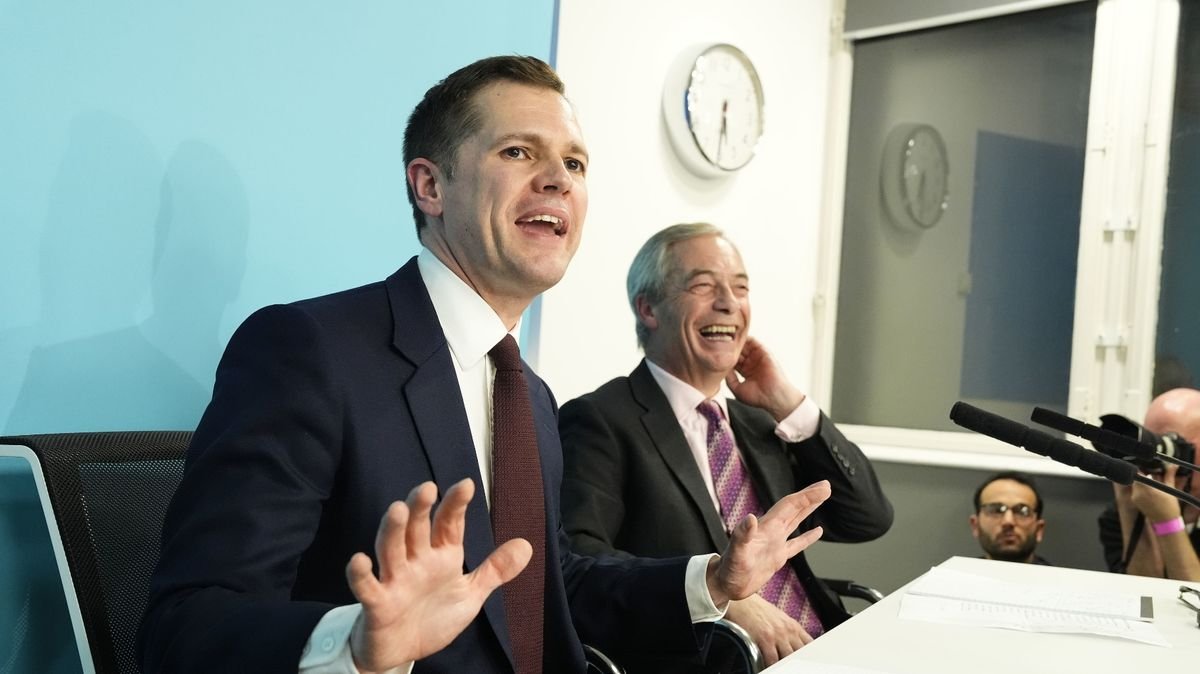
Surprisingly, Reform, a political group whose leader previously criticized Jenrick as a “fraud,” welcomed him with open arms, along with 17 other high-ranking Tories who have defected. This influx of former Conservative members has raised eyebrows, especially given Reform’s supposed mission to break away from traditional politics.
Another notable defection was Nadhim Zahawi, a former Tory Chancellor, who joined Nigel Farage’s movement, citing concerns about the state of Britain. Zahawi’s shift to the “glorious revolution” sparked criticism, especially due to his past controversies involving taxpayer-funded expenses and associations with far-right figures.
The trend of Tory members crossing over to Reform continues, leading to skepticism about the party’s principles and its acceptance of disgraced politicians. The revolving door of political allegiances has drawn comparisons to a chaotic soap opera, with each new defection adding to the drama unfolding in Westminster.
The recent wave of defections to Reform has highlighted the underlying issues within the political establishment, with former members seeking alternative avenues for influence and recognition. As the political landscape evolves, the motivations behind these shifts come under scrutiny, reflecting a broader trend of disillusionment with traditional party politics.