
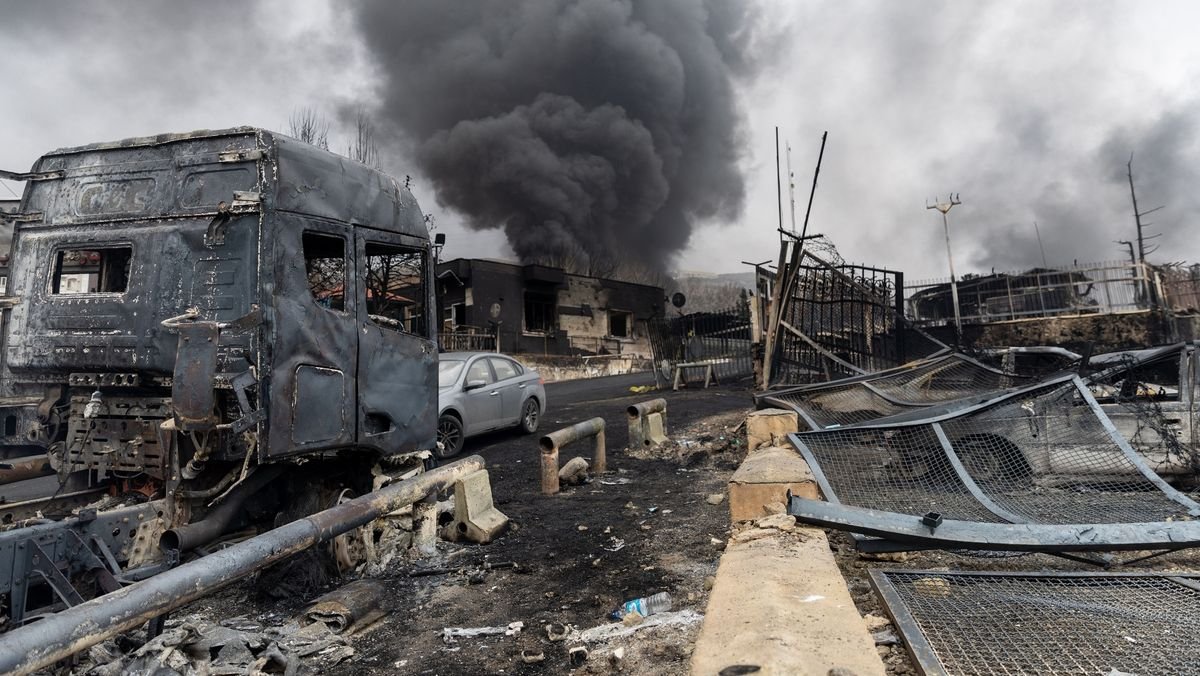

After ten days of intense conflict between the US, Israel, and Iran, it is evident that Tehran has strategically prepared for a prolonged battle against the stronger opposition. In a recent development, Turkey has successfully intercepted a second Iranian ballistic missile in its airspace, further expanding the scope of the conflict and challenging the premature declarations of victory made by the US.
The escalation of hostilities highlights the potential spillover of the Middle Eastern conflict into Europe, triggering concerns about chaos and economic repercussions. Recognizing its military limitations in a conventional war, Iran has strategically dispersed its Islamic Revolutionary Guard Corps across the country to maintain operational effectiveness despite targeted leadership strikes by the US.
Iran’s continued missile attacks on Israel have resulted in casualties and heightened tensions in the region, with escalating death tolls and injuries on both sides. The Iranian Foreign Minister emphasized the country’s defense strategy, citing a decentralized approach that aims to prolong the conflict and dictate its outcome based on studied US military vulnerabilities.
Despite claims of victory by US President Donald Trump, Iran’s resilience and strategic adaptations pose challenges to swift resolutions. The appointment of Ayatollah Ali Khamenei’s son to a leadership position within the IRGC signifies a reinforcement of Iran’s military capabilities and determination to withstand external pressures.
The involvement of European nations in the conflict, with warships deployed in the Mediterranean region, underscores the global ramifications of the escalating crisis. As the war intensifies, the economic costs and military engagements continue to rise, with significant implications for regional stability and international security.
Iran’s utilization of asymmetric warfare tactics, leveraging cost differentials and unconventional strategies, challenges the traditional military dominance of the US and its allies. The prolonged nature of the conflict and the evolving strategies employed by Iran emphasize the complexities and uncertainties surrounding the outcome of the ongoing hostilities.
As the conflict enters its initial stages, the impact on the global economy and geopolitical landscape is already significant, underscoring the enduring challenges and uncertainties in resolving the multifaceted crisis.