
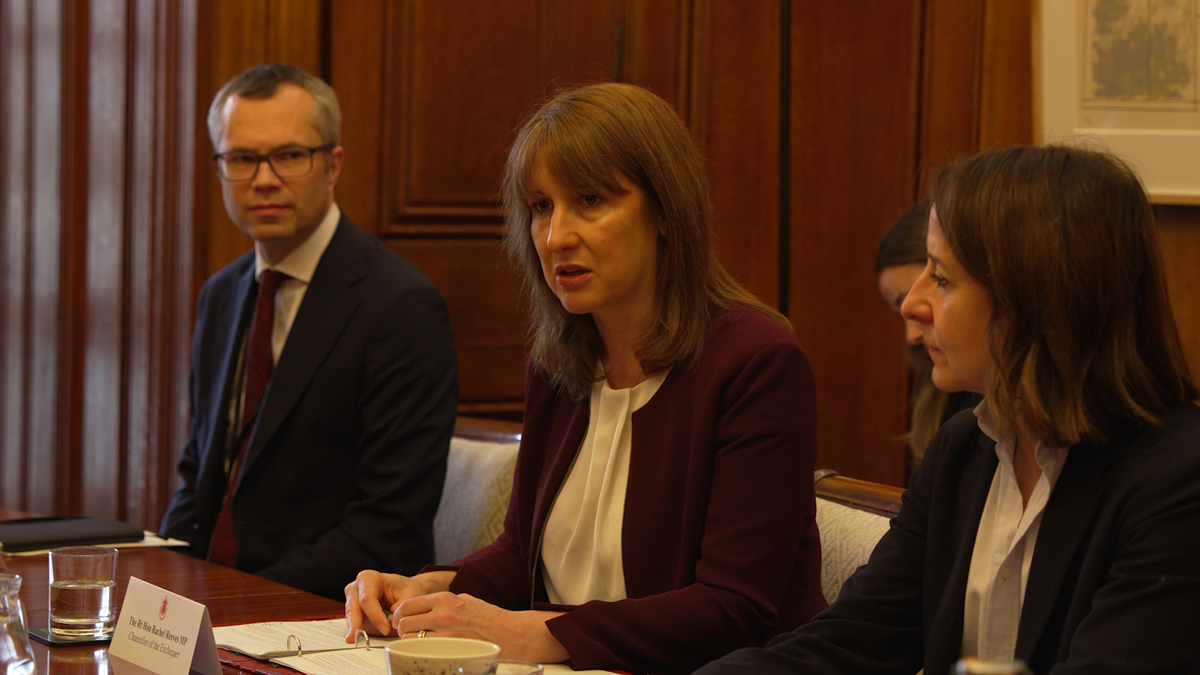

Millions of mobile and broadband users are set to benefit from a new agreement signed by major telecom companies, which will prevent unexpected mid-contract price increases. These providers are now required to disclose any future price changes upfront, ensuring customers are fully informed before committing to a new mobile or broadband plan.
While telecom firms have been prohibited from tying mid-contract price hikes to inflation, concerns have been raised about some companies flouting the regulations by implementing larger-than-expected price rises. The new Telecoms Consumer Charter mandates clear communication regarding any price adjustments, aiming to provide transparency to consumers.
Additionally, the charter includes provisions for easier access to discounted social tariffs for individuals receiving specific benefits. According to Ofcom, these social tariffs could potentially save eligible households up to £220 annually.
Despite these positive steps, critics argue that the measures may not entirely prevent telecom providers from introducing price increases above inflation rates or utilizing variable pricing models. Chancellor Rachel Reeves and Technology Secretary Liz Kendall confirmed the new rules following discussions with leading telecom firms, emphasizing the importance of monitoring compliance closely.
Chancellor Reeves expressed confidence in the voluntary agreement with telecom companies, highlighting the immediate impact of the initiative compared to the lengthy legislative process. She emphasized the government’s commitment to taking further action if companies breach the agreement, underscoring the need for providers to adhere to the signed contracts.
Addressing concerns about telecom companies’ support for customers, Ms. Reeves stressed the necessity of the signed charter to prevent the types of price hikes witnessed in the past. Sebastien Lahtinen, Director of thinkbroadband.com, acknowledged the improvements in transparency and limitation of unplanned price increases but noted that annual rises and pricing for lower-tier packages remain unresolved issues.
The developments come amid growing pressure on Sir Keir Starmer to step down as Prime Minister following controversies surrounding diplomatic appointments. Chancellor Reeves expressed her support for the Prime Minister, affirming her commitment to working collaboratively to deliver positive outcomes for the country.
To potentially reduce costs for those out of contract, individuals are advised to compare prices online, evaluate their actual usage needs, and consider negotiating better deals with their current provider or switching to a new one. Eligible individuals should also explore the possibility of benefiting from lower-cost social tariffs if they receive certain benefits.