
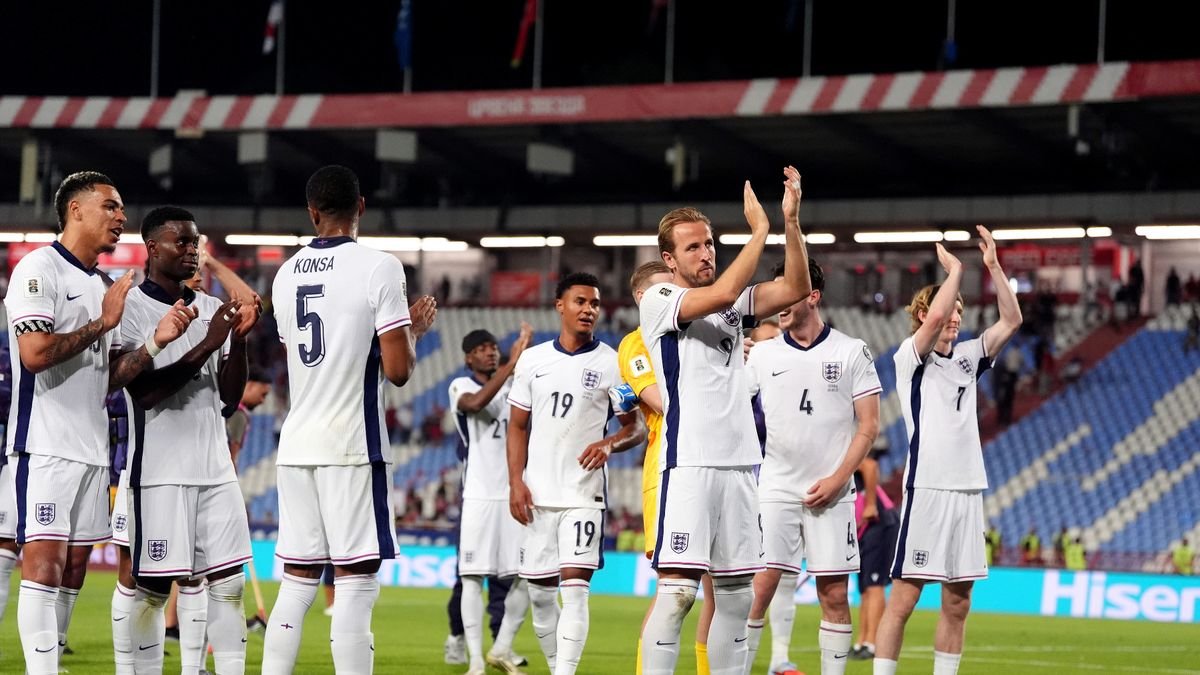

Donald Trump’s controversial proposal to acquire Greenland has sparked discussions about potential boycotts of the upcoming men’s football World Cup in the United States. Following President Trump’s threats of imposing tariffs on countries opposing the Greenland acquisition, UK MPs, including Keir Starmer, are under pressure to take decisive actions against the US administration.
President Trump recently issued warnings of implementing 10% tariffs on countries like the UK starting February, with a further threat to increase levies on NATO allies to 25% if a deal for acquiring Greenland is not finalized by June 1. In response, Conservative MP Simon Hoare and Liberal Democrat MP Luke Taylor have proposed that England, Scotland, and other qualifying nations consider withdrawing from the World Cup as a form of protest against President Trump’s aggressive tactics. Additionally, there are calls for reconsidering the King’s planned state visit to the US.
The pressure escalated as President Trump criticized Britain’s Chagos deal, labeling it as “an act of GREAT STUPIDITY” and accusing the UK of showing “total weakness” in the global arena, attracting attention from China and Russia. MPs emphasized the need to understand President Trump’s motivations, highlighting his ego and sensitivity to embarrassment as key factors in dealing with him.
With the World Cup scheduled to commence on June 11, the debate over boycotting the event as a statement against President Trump’s actions continues. Scotland and England are set to play their matches in different US states, making the decision to participate in the tournament a significant point of contention.
In response to the growing calls for action, Foreign Secretary Yvette Cooper emphasized the UK government’s engagement with the US, resulting in modifications to proposed tariffs and progress in diplomatic relations, particularly concerning Ukraine. However, opinions remain divided on whether diplomatic strategies or direct actions like boycotting the World Cup are the best approaches to address the current tensions with the US administration.
As the discussions unfold, maintaining composure and strategic clarity in dealing with the situation remain crucial, according to Dame Emily Thornberry, chair of the Commons’ foreign affairs committee. The UK’s stance on the Chagos issue and potential responses to President Trump’s provocations will continue to shape the diplomatic landscape in the coming months.