
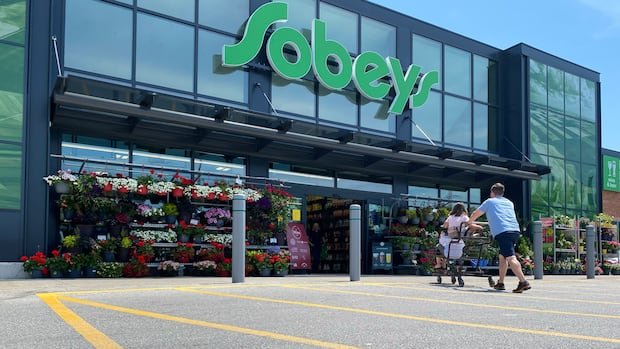

Canada’s Competition Bureau has finalized an agreement with the parent company of Sobey’s to restrict or discontinue the use of property controls, following concerns of anti-competitive behavior. Property controls, embedded in land titles, can hinder competitors from establishing nearby stores or limit the sale of food products in surrounding establishments. Empire Company Limited, the owner of various grocery chains, such as Sobeys and Farm Boy, faced scrutiny to eliminate these controls. The Competition Bureau initiated an investigation in 2024 into property controls used by major retailers like Loblaw and Sobeys, leading to commitments from both companies to address the issue.
Economist Jim Stanford highlighted the significance of this agreement, emphasizing the implications for consumers. The probe into property controls stemmed from inquiries in 2023 regarding escalating grocery prices, with Sobeys initially resistant to change. However, the recent resolution with the Competition Bureau marks a positive development for consumers and market competition.
The deal with Empire Company Limited underscores a shift towards fairer practices in the grocery sector. While restrictive covenants are to be phased out, limited use of exclusivity clauses is permitted under the new agreement. This compromise allows for specific circumstances where exclusivity clauses may foster healthy competition, as outlined in the Competition Bureau’s guidance. The bureau remains vigilant, identifying and assessing instances where exclusivity clauses are warranted, promoting a more open market environment.
The government’s empowerment of the Competition Bureau to enforce property control regulations signifies a step towards enhancing market dynamics and encouraging entrepreneurship in the grocery industry. The ongoing investigation into barriers to competition and pricing strategies in Canada’s food supply chain aims to create a level playing field for businesses. While progress is evident, further measures may be necessary to address monopolistic tendencies within the sector.