
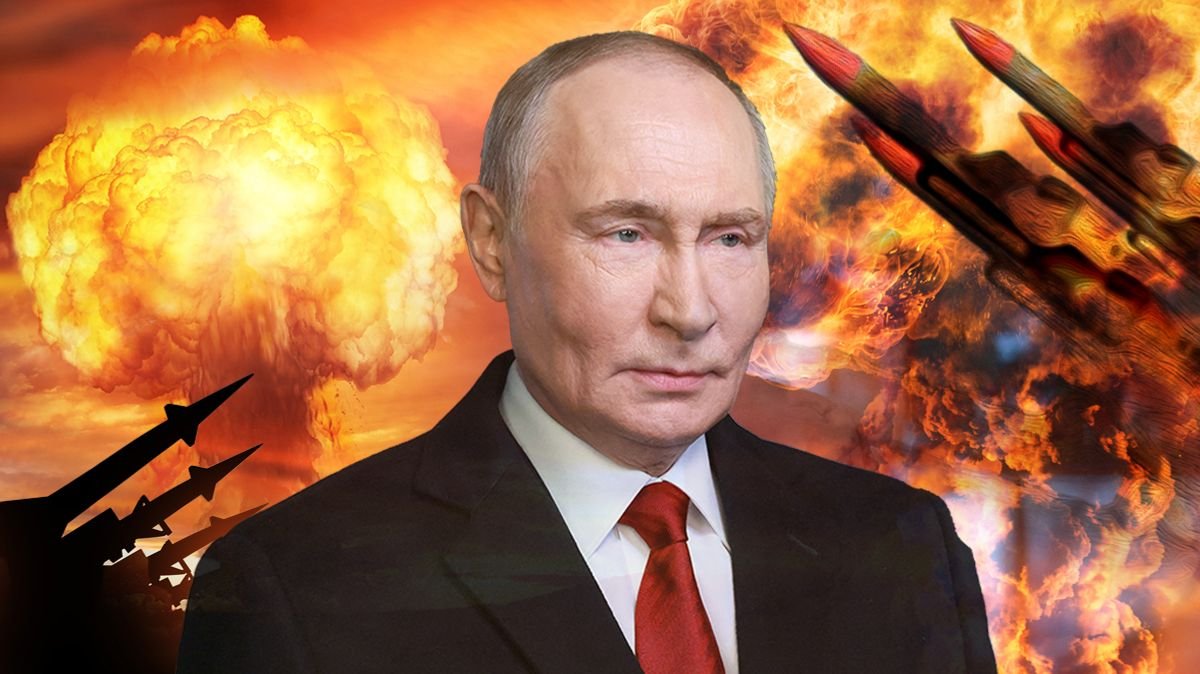

Tensions have escalated between Russia and other global powers in recent weeks, raising concerns about the proximity of the threat from the Kremlin. Following extensive rhetoric from Vladimir Putin’s associates on state media, Russia has directly issued threats of deploying nuclear weapons on the UK and mainland Europe. Sergey Karaganov, the head of Russia’s Council for Foreign and Defense Policy, stated that if Russia faces defeat in Ukraine, Putin would resort to nuclear weapons, potentially leading to catastrophic consequences for Europe.
This alarming development follows an escalation on January 8th when the Kremlin launched a significant drone and missile attack in Ukraine, including the combat use of a nuclear-capable hypersonic missile named Oreshnik. By targeting Lviv, a city only 70km from the Polish border, Russia sent a clear message to Western nations. Concurrently, UK Prime Minister Keir Starmer signed a historic agreement to deploy troops to Ukraine in the event of a peace settlement with Russia. Despite efforts for peace, the Kremlin has dismissed peace negotiations with Ukraine and labeled British soldiers as legitimate targets in a recent threatening statement.
With Putin’s ally Vladimir Solovyov identifying European cities as potential targets and NATO cautioning Britons to brace for war akin to past generations, concerns arise about the implications of a global conflict in modern Britain. While Starmer acknowledges the current military threat as unprecedented, the UK has not taken steps similar to France, Norway, and Finland, who have issued survival guides to prepare citizens for potential war scenarios.
Furthermore, the European Union has advised all citizens across its 27 member states to be self-reliant for 72 hours, recommending stockpiling essential supplies like food, water, and emergency items. Calls are made for the UK government to follow suit in distributing preparedness guides, as done by other European countries like Sweden, Finland, and Norway.
Experts emphasize the importance of readiness for potential conflict scenarios, urging the public to prepare for various outcomes. While survival strategies vary, building community connections and acquiring essential skills like gardening, conflict resolution, and foraging are highlighted as valuable assets in times of crisis. Planning for potential nuclear attacks also includes taking shelter, sealing windows and doors, and ensuring access to necessary resources for an extended period.
In the face of these escalating tensions and threats, being prepared and fostering community resilience are crucial aspects for individuals and governments alike to navigate uncertain times effectively.