
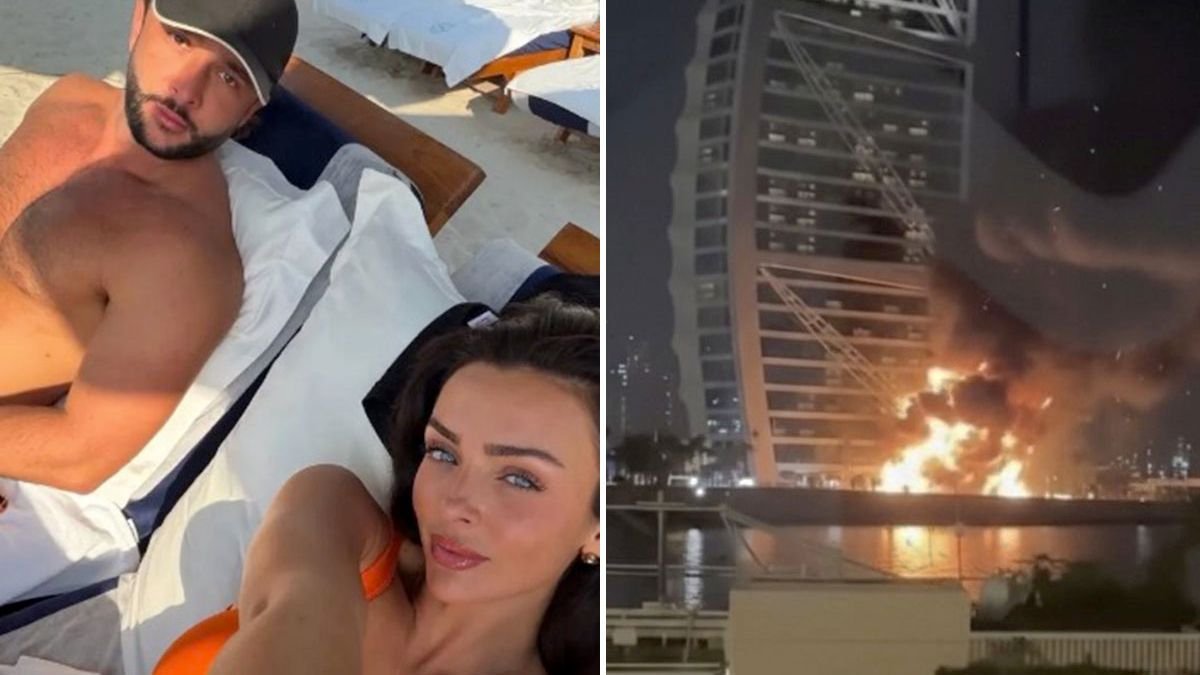

In the realm of social media, one cannot escape the allure of Dubai’s glamorous facade portrayed by influencers and holidaymakers. Many flock to the United Arab Emirates, including a significant portion of British influencers, drawn not only by the promise of tax-free earnings but also by the perceived safety that they flaunt online.
However, beneath the luxurious exterior lies a different reality. Dubai’s legal system, influenced by a combination of civil and Islamic laws, enforces strict regulations to maintain societal order, often catching Western visitors off guard with their severity.
From prohibitions on public displays of affection to strict dress codes, such as covering shoulders and knees for women, and even outlawing ‘cross dressing,’ Dubai mandates adherence to Islamic cultural norms. Moreover, the country closely monitors social media activities to quash any dissent towards the government, a stark contrast to the freedom of expression commonly enjoyed in the UK.
The consequences of breaching these laws can be severe, as exemplified by the recent ordeal faced by former Love Island contestant Kaz Crossley. Her arrest in Dubai following the scrutiny of a video allegedly showing drug use serves as a cautionary tale of the stringent enforcement of laws in the UAE.
Despite ongoing conflicts in the Middle East and missile attacks in the region, some influencers continue to promote Dubai as a safe haven, prompting criticism for their lack of sensitivity. The stark realities of life in the UAE, coupled with the risks and restrictions, underscore the need for a nuanced understanding beyond the glossy portrayal often seen on social media.
In light of the stringent laws and potential risks, it is essential for visitors to Dubai to exercise caution and awareness, recognizing that beneath the glitz and glamour lies a legal system with zero tolerance for transgressions, no matter how seemingly minor.