
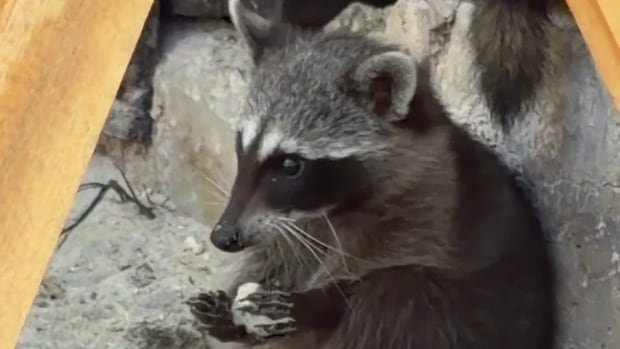

In a recent audio interview with biologist Nessie O’Neil, she recounted her astonishment at observing pygmy raccoons on Cozumel Island creating toy balls out of trash, leading to a significant scientific revelation. The biologist, based at Miami University in Ohio, initially found the behavior endearing but soon recognized its scientific importance upon consulting with her advisor. The subsequent publication of their findings in the journal Wild marks the first documented instance of “material culture” within the Procyonidae family, which includes raccoons and similar species.
Pygmy raccoons, a critically endangered species unique to Cozumel Island, have adapted to their shrinking natural habitat by foraging for sustenance in tourist scraps and garbage bins. This behavioral innovation was observed by O’Neil while studying a raccoon family at a beach club, where she witnessed the creatures crafting and playing with paper balls made from discarded materials. The study highlighted social learning among the raccoons, with younger members emulating the toy-making behavior observed in their elders.
Notably, the raccoons’ playful interactions with the handmade balls, including batting them back and forth, intrigued scientists like Benjamin Beck, a co-author specializing in animal tool behavior. Beck emphasized the novelty of the raccoons’ behavior, noting the distinction between using and creating play objects. The observed social object play among the raccoons further piqued scientific interest, hinting at potential cultural implications within their behavior.
Despite these fascinating discoveries, the pygmy raccoon population faces severe threats from habitat destruction and dietary changes due to human activities. O’Neil emphasized the importance of conserving these unique creatures by raising awareness about the impacts of tourism on their survival. She urged responsible behavior towards wildlife, advocating against feeding them human food like tortilla chips and supporting environmentally damaging developments.
The plight of the pygmy raccoons serves as a poignant reminder of the need for conservation efforts to protect these endangered species and their natural habitats. O’Neil’s research underscores the urgent need for sustainable practices and responsible tourism to ensure the survival of these remarkable animals.