


Sylvia Lopez is currently 20 weeks into her pregnancy and estimates that she has spent over 12 hours commuting for her ultrasound appointments thus far.
The resident of London, Ontario, dedicated several weeks to contacting imaging centers in her city and nearby areas, only to be informed that there were no open slots available. Eventually, she managed to secure an appointment at a clinic located an hour and a half away in Milton, Ontario.
“I’ve made multiple trips to Milton, and it’s challenging. It involves transportation, logistics, gas expenses, and more,” she expressed.
Lopez is one of many women in Ontario facing difficulties in scheduling routine ultrasound appointments due to increasing waitlists and a scarcity of sonographers.

Expecting mother Sylvia Lopez is traveling from London, Ont., to Milton, Ont., for ultrasound appointments after being informed that local sonographers are fully booked. (Submitted by Sylvia Lopez)
According to Tara Chegwin, the director of professional affairs at Sonography Canada, over 10 million ultrasounds are performed across the country each year.
“While the system’s capacity to conduct more ultrasounds has indeed increased, so has the demand,” she stated. “This has been an enduring issue within the healthcare system.”
A recent report from the Fraser Institute indicates that ultrasound wait times in Ontario average around four weeks.
One factor contributing to this wait time is the provincial vacancy rate for sonographers, which stood at 20 percent in 2024, according to Chegwin, though expecting parents are generally given priority within the appointment system.
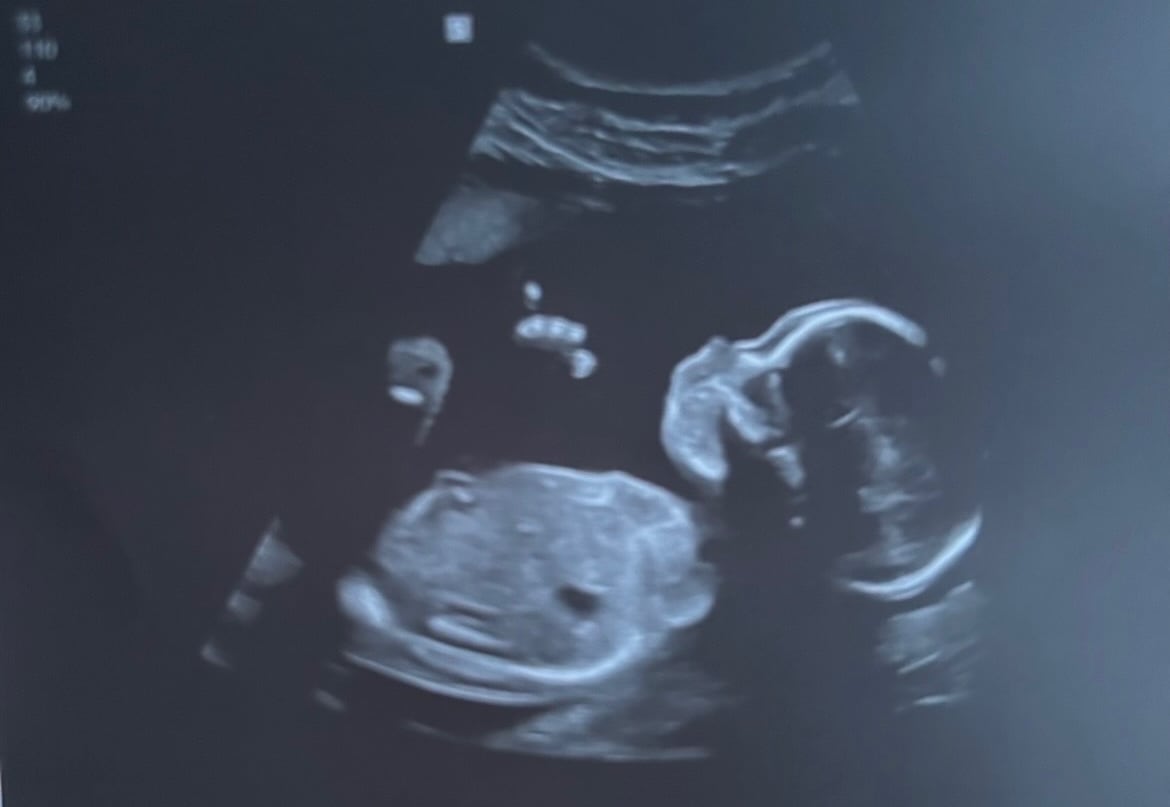
Rebecca Kennedy Briand drove from London, Ont., to Woodstock, Ont., to obtain this ultrasound image of her now-born son, Casey. (Submitted by Rebecca Kennedy Briand)
“Obstetric ultrasounds must occur within a specific timeframe during the pregnancy, so those scans are generally not delayed like other types of ultrasounds might be,” Chegwin explained, noting that patients requiring abdominal, pelvic, or thyroid ultrasounds may face even longer delays.
“All facilities are striving to complete these scans within the optimal window based on the requisition and doctor’s request, with everyone’s best interest in mind.”
Burden on Parents
Parents indicate that there is significant pressure associated with scheduling an ultrasound, particularly since each must align with specific milestones in the pregnancy.
“It’s incredibly stressful. There are already so many concerns regarding planning and worries about the baby’s well-being,” stated Rebecca Kennedy Briand, a mother from London. “It’s frightening to think that I might not receive the necessary care.”

Rebecca Kennedy Briand expressed that it was stressful traveling from London to Woodstock for frequent ultrasounds during her pregnancy. She welcomed her first son in April. (Kendra Seguin/CBC News)
Lopez and Kennedy Briand both noted that once they confirmed their pregnancies and received ultrasound referrals from their healthcare providers, it became their responsibility to locate a sonographer.
“It consumed a lot of my lunch hour at work,” Kennedy Briand remarked. “Often, you find yourself on hold, unable to speak to anyone, or waiting in a long queue.”
Having given birth in April, Kennedy Briand traveled half an hour to Woodstock for her ultrasounds throughout her pregnancy and considers herself one of the fortunate parents.
“Numerous platforms like Facebook and Instagram have seen discussions regarding this issue, and I would say I observe at least one post daily from a mother stating, ‘I’ve been calling around and can’t schedule an ultrasound. Where are you going?’” she shared. “I’ve certainly seen mothers mention that they have driven as far as Mississauga.”

Sylvia Lopez, a resident of London, Ont., is currently 20 weeks pregnant with her third child. She has been making over an hour and a half journey each way to Milton, Ont., for her ultrasounds. (Submitted by Sylvia Lopez)
Lopez noted that the stress continues with the ongoing travel to appointments.
“Emotionally, it’s been exhausting. The last appointment I attended coincided with a heavy thunderstorm, and there was traffic on the 401; sometimes accidents occur along the way that are beyond your control. You feel a bit anxious,” she explained.
Efforts to Increase Sonographer Numbers
Chegwin mentioned that measures are being taken to address the shortage of sonographers in the province.
“One of the strategies includes the international recruitment of sonographers. Additionally, there are numerous new educational programs in the province aimed at producing more graduates each year,” she added.
-
New Dalhousie ultrasound clinic targets staffing shortages and long waitlists
-
Video
Ultrasound technology steps up at London, Ont., hospital with 3D imaging for high-risk pregnancies
In the meantime, Kennedy Briand offers advice to expectant parents.
“Be prepared. Be ready to drive … and be aware of [the obstacles] beforehand, so that you might experience less stress,” she advised.
Simultaneously, Lopez encourages parents to be gentle with themselves during this challenging process.
“If there are any mothers experiencing a similar situation as mine, I want them to know they are not alone and they are not the only ones facing misfortunes. This is simply part of the current system,” she stated.
In a statement provided to CBC News, a spokesperson from the Ministry of Health highlighted the province’s recent initiatives to increase the number of healthcare professionals, among various strategies aimed at reducing wait times.
The statement also noted provincial regulations designed to facilitate the relocation of these professionals to Ontario.
“Ontario is the first province in Canada to implement As of Right regulations for healthcare professionals, including medical sonographers, allowing individuals registered in other Canadian jurisdictions to practice in Ontario immediately,” the statement indicated.
“In May 2026, our government instructed several regulatory health colleges to create frameworks that enable allied health professionals to order or perform diagnostic ultrasounds. This adjustment aims to expedite patient care and lessen wait times by allowing practitioners to utilize their complete training.”