
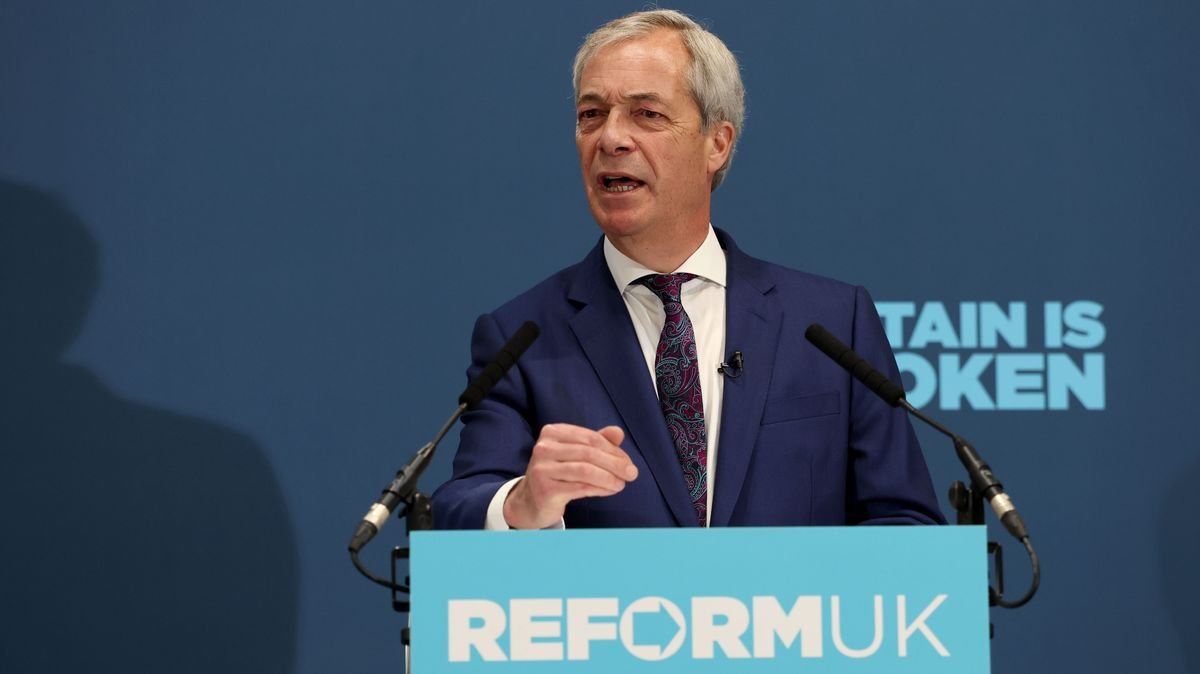

Nigel Farage, known for his strong patriotic image and vocal support for British values, quickly revealed his true colors when faced with an unfavorable election outcome. Following the Gorton and Denton by-election results, Farage wasted no time resorting to familiar tactics from the Donald Trump playbook – casting doubt on the fairness of the process and alleging foul play.
While the election dealt a significant blow to the Labour Party, it was Farage’s response that truly stood out. Despite his bravado, Farage’s Reform UK party failed to make any significant impact, with their lead candidate, Matt Goodwin, comfortably settling for second place behind the Green Party candidate, Hannah Spencer. The election results were crystal clear, with no room for dispute or recount drama.
Rather than accepting defeat gracefully, Farage and Goodwin resorted to baseless accusations of “sectarian voting and cheating.” Such unfounded claims not only undermine the electoral process but also erode trust in democracy itself. Farage’s behavior post-election underscored his inability to handle rejection and his readiness to question the legitimacy of any outcome that does not align with his desires.
Farage’s knee-jerk reaction mirrored the toxic rhetoric of Trumpism, where delegitimizing elections and sowing seeds of doubt become standard practice. By accusing voters of misconduct and playing the victim, Farage exposed his true colors as a politician more concerned with his own agenda than with the principles of democracy.
In a democracy, accepting defeat graciously is paramount. However, Farage’s refusal to acknowledge the voters’ decision and his desperate attempts to delegitimize the outcome highlight his lack of respect for the democratic process. The by-election in Manchester not only dealt a blow to Labour but also sent a clear message that divisive politics and baseless allegations have no place in British democracy.
The Greens’ victory in the election, achieved through persuasion and genuine engagement with voters, stood in stark contrast to Farage’s tactics of blame and conspiracy theories. This episode serves as a stark reminder that politics based on grievance and paranoia offer no real solutions and only serve to deepen societal divisions.
Farage’s swift dismissal of the election results and his unfounded accusations of cheating not only tarnish his own credibility but also threaten the trust and integrity of the electoral system. Manchester’s rejection of Farage’s divisive politics sends a resounding message that such behavior is unwelcome in British politics.
In conclusion, Farage’s reaction to the election outcome exemplifies a dangerous trend of undermining democracy for personal gain. By refusing to accept defeat gracefully and resorting to baseless claims, Farage has shown his true colors as a politician willing to prioritize his ego over the principles of democracy.