

It was a heavy Tuesday on August 6, 2002, in Soham, yet hope lingered despite the disappearance of Holly Wells and Jessica Chapman. The entire town was on edge as less than 48 hours had passed since the two 10-year-old girls went missing. The atmosphere was tense as everyone awaited news. I vividly recall entering Soham Village College for an urgent police briefing, exchanging greetings with various individuals along the way.
Parents, teachers, law enforcement, and journalists alike were all united in hoping for the safe return of the girls. While fear loomed, optimism prevailed. The town was still holding onto the belief in a positive outcome. People conversed cautiously, chasing every rumor and grasping onto any potential lead. Soham remained a place that believed in happy endings.
Among the crowd stood a man in work attire, notable for the large set of keys hanging from his belt. His presence caught my attention. He exuded a desire to be helpful and significant in the unfolding events. Engaging in a brief conversation, I noted his familiar accent, to which he revealed he hailed from Grimsby, while I mentioned my connection to Hull, forming a bond despite the geographical separation.
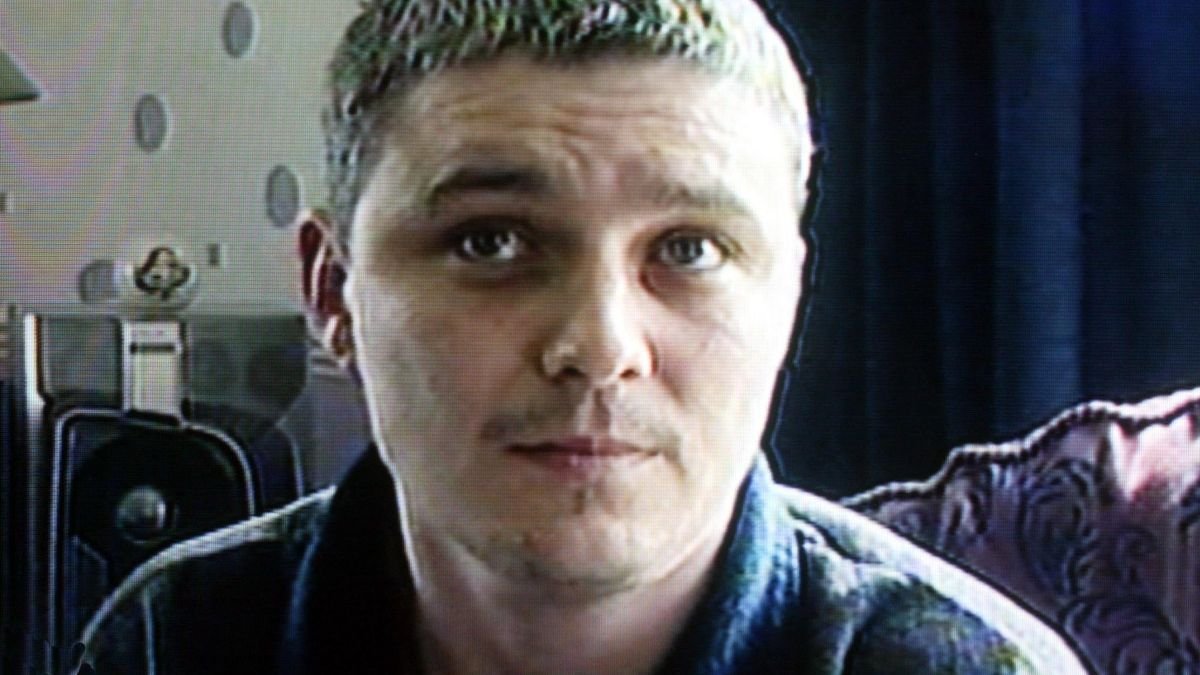
This man was Ian Huntley.
At that time, he appeared as a regular local, the school caretaker, offering reassurance in a community desperate for answers. Huntley seemed eager for approval and inclusion, lacking remarkable intelligence but eager to participate in the search efforts alongside everyone else.
Unbeknownst to anyone, including myself, Huntley had committed the heinous murders of Holly and Jessica just days prior. Due to our shared backgrounds, he gravitated towards me in the following days, seeking information and involvement. His behavior seemed genuine, portraying a man keen on assisting and being part of the search mission.
Over the next fortnight, I spent time at Huntley’s residence with his girlfriend, Maxine Carr, at No. 5 College Close on the school premises. The setting appeared ordinary and unassuming, with Huntley taking the lead in conversations, while Carr remained more passive and deferential. Their dynamic seemed typical at the time but later acquired a chilling significance.
Conversations revolved around shared hometowns, daily life, and the ongoing search efforts, masking the underlying tension and uncertainty. It was only in retrospect that the interactions took on a darker hue.
Despite numerous visits to their home, engaging in casual conversations and observing their interactions, the true nature of Huntley and Carr eluded me. The shocking truth emerged months later, revealing the evil that had been in my midst without detection.
The tragic discovery of the girls in a remote location shattered the once hopeful atmosphere in Soham, replaced by sorrow, outrage, and disbelief. The realization that evil had been present, disguised in ordinary interactions and settings, left a haunting lesson – monsters do not always appear as such, sometimes hiding behind a facade of normalcy and friendliness.