

The privatization of England and Wales’ water industry under Prime Minister Margaret Thatcher was initially hailed as a success. However, the reality has been quite different for many, with the burden falling on consumers and the environment. Unlike most countries, the entire water sector in England and Wales remains in private hands, leading to concerns about prioritizing profits over public welfare.
Decades of neglect have left the industry facing significant challenges, with a staggering debt of £82.7 billion as of last year. Instances of raw sewage discharge have also been on the rise, reflecting the industry’s struggles to meet environmental standards. Major players like Thames Water have faced financial instability, while essential infrastructure development has been lacking since the privatization wave of the early ’90s.
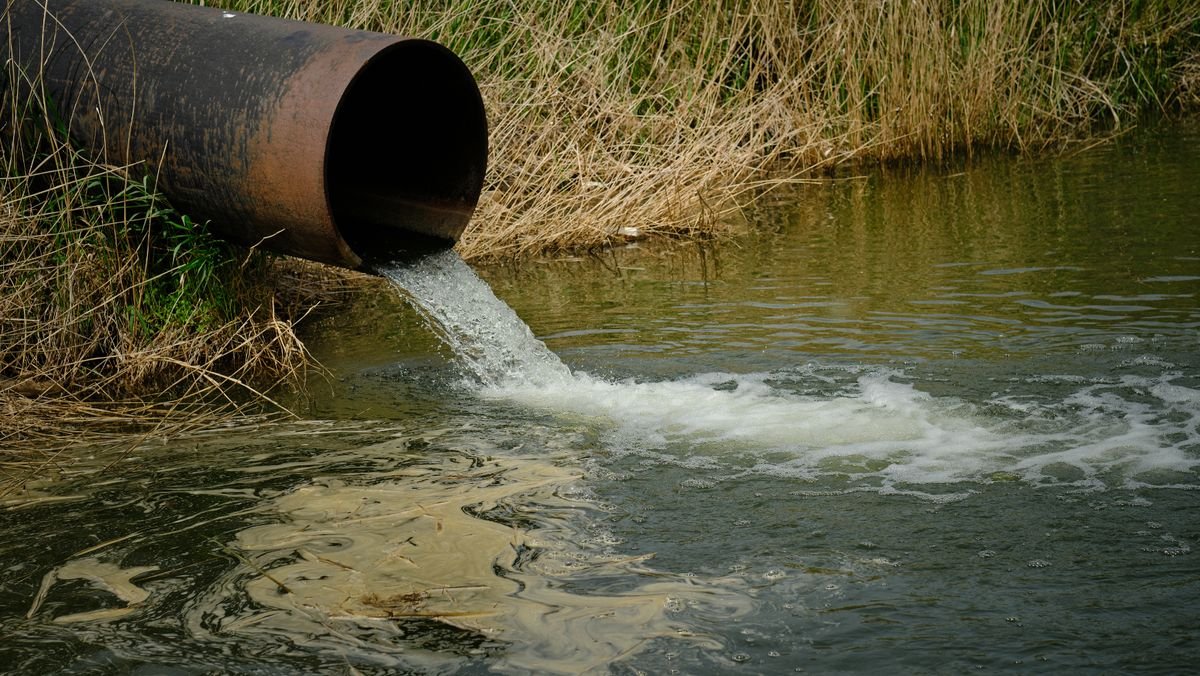
Communities are witnessing the degradation of their waterways, often polluted by sewage due to outdated systems. The need for a reevaluation of water privatization is becoming increasingly urgent, with calls for at least partial public ownership to address the industry’s shortcomings. Cities in other countries have successfully reclaimed control of their water services, demonstrating a viable alternative to the current model in England and Wales.
The narrative of deteriorating water quality and the negative impact of privatization are central themes in Channel 4’s new series, “Dirty Business,” reflecting the growing public concern over the state of the water industry. It is time to reconsider the failed experiment of water privatization and explore more sustainable and community-oriented solutions.