

The prevailing quietness has become intolerable, especially concerning Ghislaine Maxwell and the influential men who evade addressing their connections to Jeffrey Epstein.
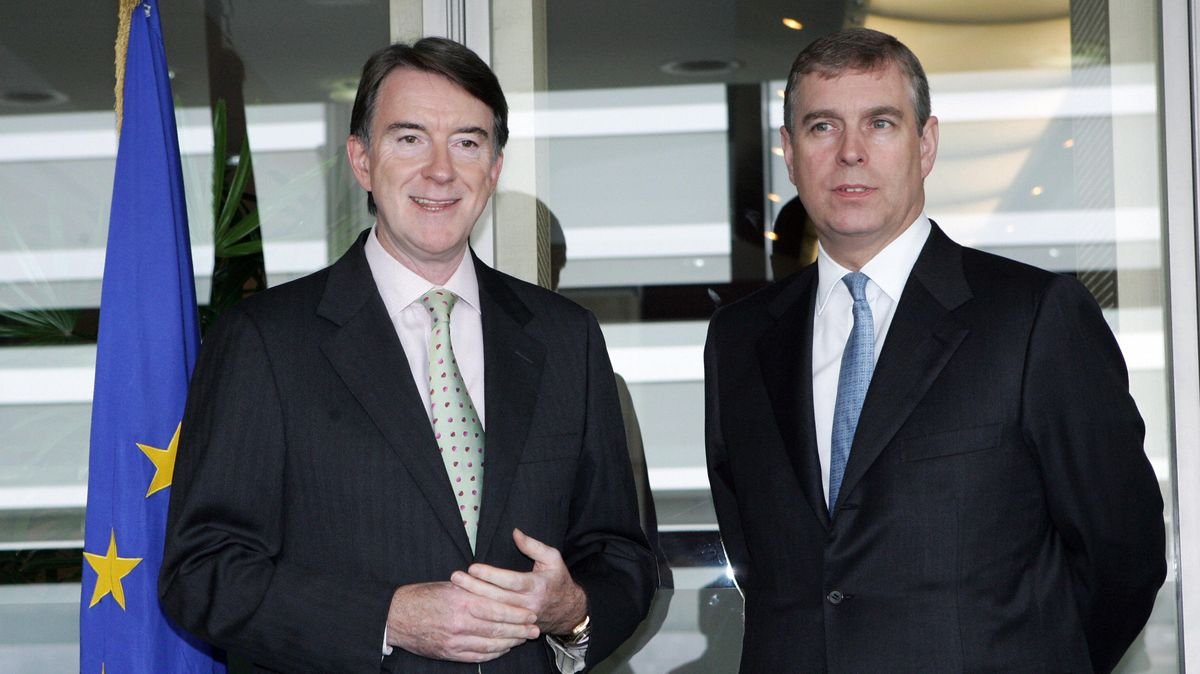
Recent revelations of Epstein’s abuse of a nine-year-old child amplify the disconcerting silence maintained by Andrew Mountbatten-Windsor and Peter Mandelson, both close associates of Epstein who have opted for muteness as the scandal unfolds.
Maxwell’s composed demeanor during her video deposition to Congress from a relaxed Texas prison starkly contrasts the gravity of her crimes. Despite being a convicted trafficker of teenage girls, she appears unperturbed, shielded from the repercussions of her actions.
During her deposition, Maxwell exercised her right to remain silent, offering no solace to the victims or any sign of regret. Her silence juxtaposed with the distressing details emerging from the Epstein files, including a nine-year-old victim and unidentified influential individuals linked to the abuse, underscores a system that protected Epstein and his associates for years.
Mountbatten-Windsor has denied culpability but has not provided a comprehensive explanation of his ties to Epstein and Maxwell. Similarly, Mandelson, while acknowledging acquaintance with Epstein, contends that nothing inappropriate occurred. However, as more incriminating evidence surfaces, their maintained silence appears increasingly unsustainable.
Maxwell’s attorney’s suggestion of her willingness to speak in exchange for clemency has sparked outrage. The notion of bargaining justice for abused children is deemed unacceptable, prompting calls for Maxwell’s relocation to a high-security facility to prevent comfort from accompanying disregard for justice.
The core issue lies not in prison conditions but in the lack of accountability. Lawmakers scrutinizing the unredacted Epstein files have raised concerns over obscured identities and redactions that shield the powerful, emphasizing the necessity to protect victims, not perpetrators.
The moral imperative to break the silence intensifies as the severity of the offenses comes to light. The complicity of those who remain silent, including Maxwell, Mountbatten-Windsor, and Mandelson, perpetuates a culture of impunity that enabled Epstein’s reign of abuse.
While Epstein may be deceased, his victims endure the enduring impact of overlooked abuse. Silence, though legally safe, carries moral condemnation, demanding transparency and accountability from all, regardless of status or influence.