
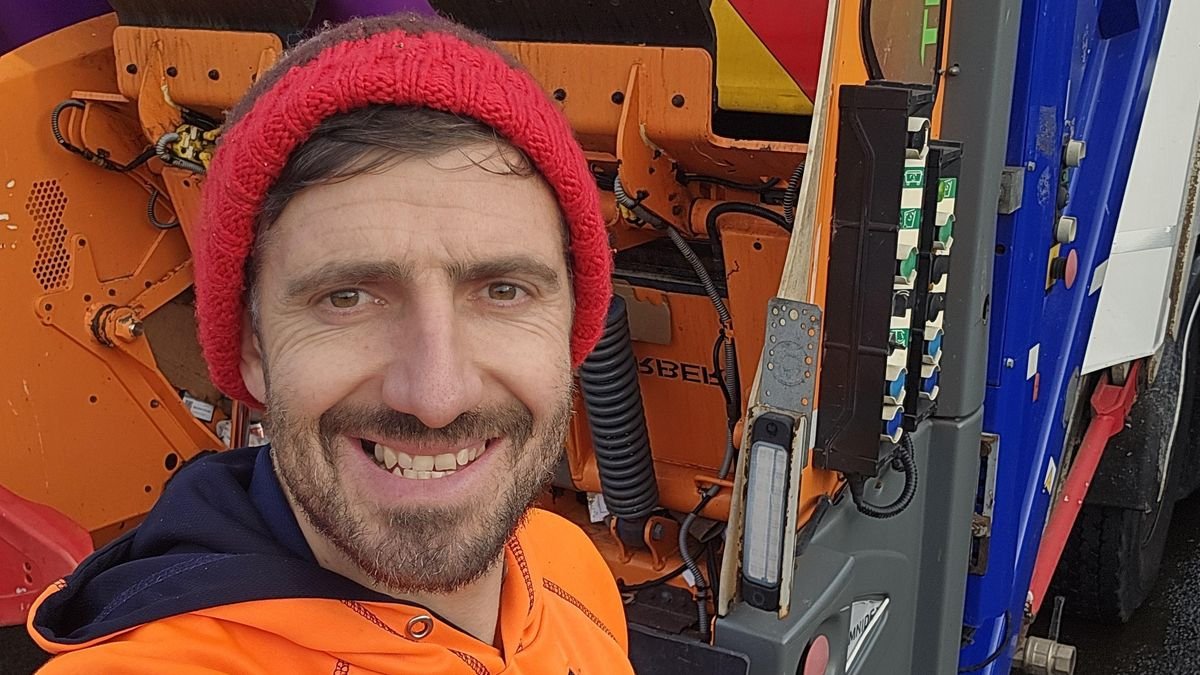

A sanitation worker is cautioning individuals against climbing into their waste bins and shedding light on the consequences of bins becoming too heavy. Ashley, a waste collector, frequently shares tips and industry insights on social media platforms.
In a recent video, the self-proclaimed “bin-fluencer” addressed a query regarding weight limits for general waste bins. Ashley advised against entering bins to compress garbage.
He emphasized, “I often witness people, myself included, jumping in. Avoid doing so because excessive compaction may hinder adding more waste.” Overloaded bins, according to the worker, are prone to breakage due to excessive pressure.
Ashley explained, “Typically, if the bin is immovable, it’s likely to rupture as they are primarily made of plastic. The bins can’t endure substantial weight when navigating curbs, leading to wheel damage. A damaged bin risks non-collection in the future.”
Instead of overloading general waste bins, Ashley recommended recycling more and distributing waste across various bins. He stated, “Utilize recycling facilities, spread waste among different bins rather than overburdening the general waste bin. This approach benefits everyone, reduces the load on other bins, and makes them more manageable for waste collectors.”
Additionally, Ashley highlighted the physical strain heavy bins impose on refuse workers. He urged, “Please refrain from overfilling and overweighting bins as hauling heavy bins is challenging and can cause back injuries. If you struggle to move the bin yourself, it’s unreasonable to expect us to manage it.”
By opting for recycling and proper waste distribution, individuals can contribute to a smoother waste management process and alleviate the burden on sanitation workers.