
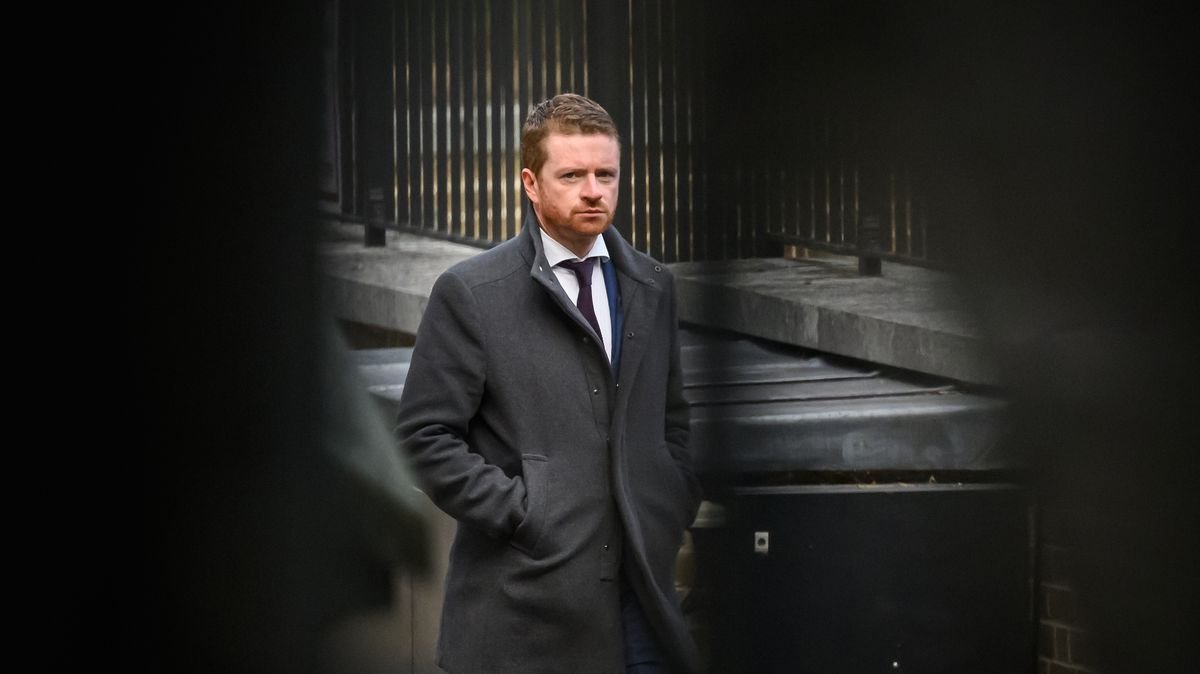

In a significant development, Keir Starmer, facing turbulent times, must now navigate without the guidance of his trusted advisor, Morgan McSweeney. McSweeney, often hailed as the architect behind Starmer’s rise to leadership, has also drawn criticism for a series of missteps and policy reversals, leading to mixed reactions among MPs regarding his departure.
McSweeney, in a statement, expressed that stepping down was the honorable course of action. Despite receiving unwavering support from Starmer, it had become evident in recent days that a change was necessary. The situation echoes the past scenario with Dominic Cummings during Boris Johnson’s tenure, emphasizing the challenges of advisors being in the spotlight.
The fallout from McSweeney’s resignation remains to be seen, with potential implications on Starmer’s leadership. While McSweeney aims to absorb some of the backlash, Starmer faces mounting pressure to address concerns and appease dissenting MPs. The political landscape remains volatile, as differing opinions emerge on the course of action, with calls for accountability and stability.
Criticism towards McSweeney stems from various issues during Labour’s governance, including policy failures, organizational disruptions, and declining public opinion. His role as chief of staff followed a tenure in political strategy, during which he encountered challenges that have now culminated in his departure.
With McSweeney’s exit, Starmer loses a key ally pivotal in shaping his leadership trajectory amid transitional phases within the Labour Party. The void left by McSweeney’s departure necessitates the appointment of a new advisor to assist Starmer in navigating challenges, restoring order, and refocusing on policy matters in the midst of political turmoil.
The road ahead for Starmer poses significant challenges, requiring strategic decisions and adept leadership to steer the party through turbulent times and regain public trust.