
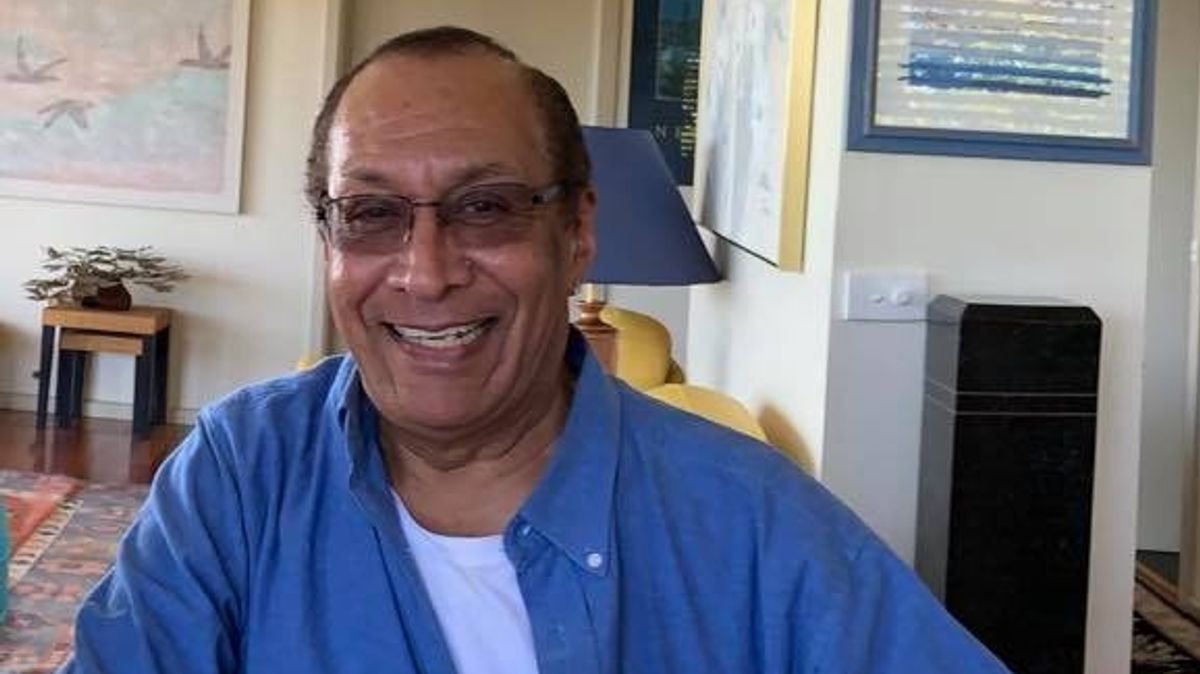

In a tragic turn of events, a terminally ill man bequeathed his substantial £1 million estate to his virtual romantic partner, who, unbeknownst to him, was a fictitious persona.
William Ian Southey, aged 73 at the time of his passing, designated Kyle Stuart Jackson as the executor of his sizable inheritance. However, it has come to light that Kyle, the supposed boyfriend of William, was a fabricated online profile.
The relationship between the two individuals blossomed after William, a resident of Melbourne, sought companionship on the internet following the loss of his partner of forty years. Their connection culminated in plans for marriage, but posthumously, it was revealed that the persona of Kyle was not genuine.
Doubts surrounding the legitimacy of Kyle arose when legal representatives encountered difficulties in confirming his existence. William’s former spouse, Kaye Moseley, who was married to him from 1976 to 1989, petitioned the court to ascertain the authenticity of Kyle, leading to the determination that the individual was fictitious.
Rachael Hocking, the attorney representing Kaye, explained the challenges faced due to the inability to verify Kyle’s identity, preventing the estate from being distributed to him. The investigation, spanning two years after William’s demise, involved various attempts to contact Kyle, including phone calls, emails, and even the validation of a fraudulent passport by a private investigator.
Further inquiries revealed that a substantial cheque made out to Kyle for the acquisition of valuable artwork was deemed invalid by Toronto-Dominion Bank, casting more doubt on the authenticity of the individual. Associate Judge Caroline Anne Goulden ultimately concluded that Kyle Stuart Jackson, as specified in the will, was a non-existent entity, emphasizing the need for caution in similar situations.
The case underscores the risks associated with online relationships, with Hocking expressing concerns about vulnerable individuals falling victim to financial scams. The absence of physical interaction between William and Kyle, despite the latter being designated as the estate’s sole beneficiary, highlights the complexities and potential pitfalls of virtual connections.
Following the legal proceedings, William’s property in the Melbourne suburb of Kew, valued at £1.25 million ($2.5 million), was eventually sold, marking the conclusion of a poignant saga that serves as a cautionary tale for others.
At Reach and across our entities we and our partners use information collected through cookies and other identifiers from your device to improve experience on our site, analyse how it is used and to show personalised advertising. You can opt out of the sale or sharing of your data, at any time clicking the “Do Not Sell or Share my Data” button at the bottom of the webpage. Please note that your preferences are browser specific. Use of our website and any of our services represents your acceptance of the use of cookies and consent to the practices described in our Privacy Notice and <a data-testid="cipa-terms-and-conditions-notice-link