

Households in England are being cautioned to stay informed about the latest changes in recycling regulations to avoid disruptions in waste collection services. The implementation of the UK’s Simpler Recycling reforms, mandated by the Environment Act 2021, now requires businesses and households to separate food waste, paper, card, glass, metal, and plastic for recycling.
Under these new rules, local authorities are responsible for providing clear guidance on recyclable items, with some councils exempt from the regulations until 2040. It is crucial for residents to verify with their local council to determine the applicability of these guidelines.
Councils have the flexibility to determine the collection methods for metal, glass, and plastic materials. The government is encouraging councils to collect metal lids and caps together with the corresponding containers like jars.
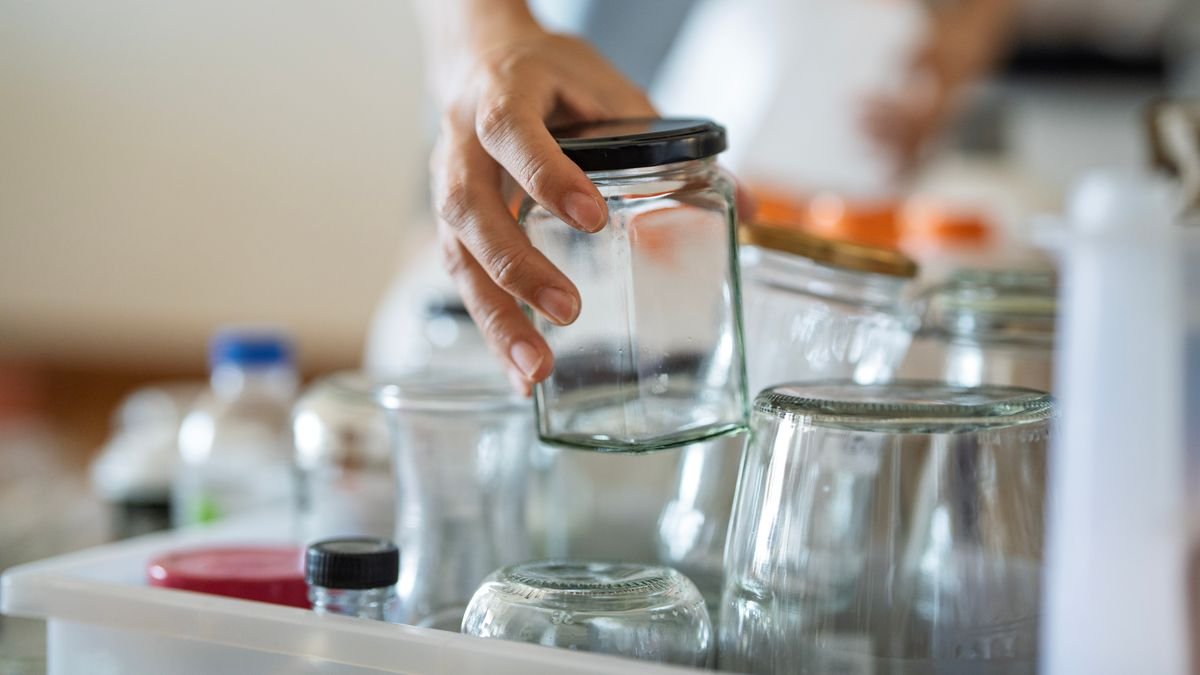
According to the Department for Environment, Food, and Rural Affairs, leaving metal lids and caps on glass containers during recycling reduces the risk of losing them in the sorting process. Therefore, it is advisable for households to keep lids or caps intact on jars or bottles before placing them in the recycling bin, ensuring that any food residue is rinsed out.
Recycle Now has also issued recommendations for glass recycling, emphasizing the importance of rinsing containers and replacing lids and caps to prevent loss during sorting. When recycling glass bottles, it is advised to remove corks before disposal, while blue glass can be combined with green glass at bottle banks.
Moreover, the revised recycling regulations also impact the disposal of bathroom items. Absorbent hygiene products such as nappies, period products, and incontinence products are not required to be recycled. Items like cotton wool, makeup pads, tissues, wet wipes, and toilet paper have specific disposal guidelines, with mirrors recommended for recycling center drop-off.
It is advisable to consult with local authorities for specific guidelines on recycling practices in your area to ensure compliance with the new regulations.