
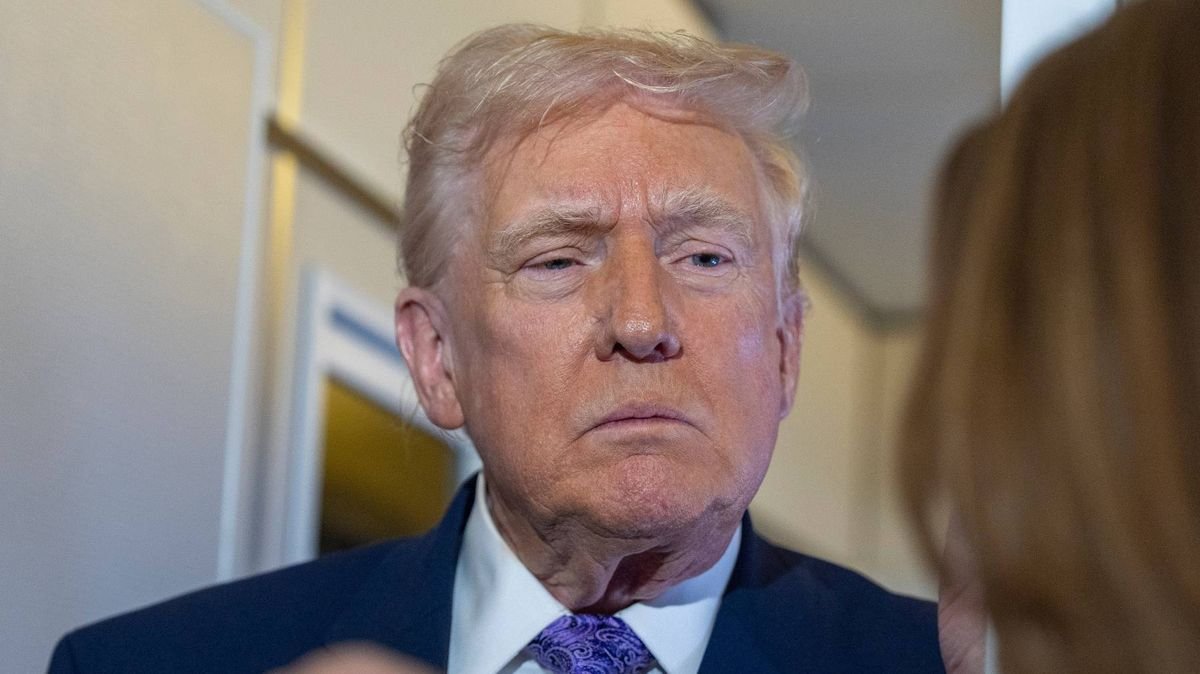

It has been a challenging week for the United Kingdom. The United States is considered a crucial ally to Britain, with a strong bond across various aspects like economy, defense, and culture. However, recent behavior from the US leader has caused concern, with actions perceived as bullying, disrespecting international laws, and jeopardizing NATO’s integrity.
A particular statement made by the US leader stirred outrage, deeming NATO allies, including the UK, as having not actively engaged in frontline operations, which was seen as a severe insult. This remark disregarded the sacrifices made by 457 British families who lost loved ones in Afghanistan and many more who continue to suffer from war-related injuries.
The call for a proper apology from the US leader, as per NATO’s Article 5, which signifies an attack on one member as an attack on all, is crucial. History shows that during the 9/11 attacks, NATO solidarity was demonstrated as nations, including Britain, France, and Denmark, responded to the US’ call for support, contradicting the recent claims made by the US leader.
While concerns arise about the relationship with the US, the UK Prime Minister has shown resilience in standing up to the US leader without causing harm to the bilateral ties. The enduring Special Relationship between both nations transcends individual leaders and will persist beyond current challenges.
Turning attention to domestic matters, the Government’s proposal to potentially ban social media for under 16s, following Australia’s similar action in 2025, has sparked discussions. Beyond age-related concerns, social media platforms have become vulnerable to foreign disinformation campaigns, posing a threat to democracy. Vigilance is necessary, especially with upcoming elections, to safeguard against external interference.
In a heartwarming incident, Alistair Harper from Highbury showcased heroism by rescuing an elderly lady while canvassing for political support, highlighting the unexpected responsibilities volunteers may encounter.
Addressing social issues, the importance of providing breakfast clubs in schools to combat child hunger and enhance learning experiences has been emphasized. The Government’s initiative to expand such programs across England, easing financial burdens on families and promoting educational potential, is commendable.
Emily Thornberry, Chair of the Commons Foreign Affairs Committee, expresses these insights and concerns, reflecting on both international and domestic developments.