
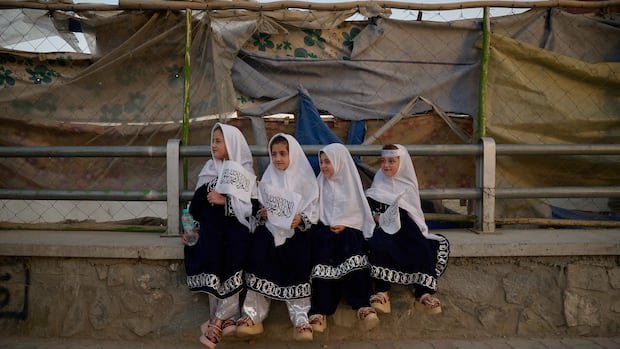

Following the collapse of the Afghan government in August 2021 and the subsequent Taliban takeover, more than 60,000 Afghan refugees have found sanctuary in Canada.
Among them is Farkhunda Hashimy, who, along with her family, resettled in Saskatoon in 2023, embracing her newfound life and liberties.
Hashimy, formerly a high school student in Kabul, reminisced about the positive pre-Taliban era in Afghanistan, where she had the freedom to pursue education and career aspirations.
However, the Taliban’s restrictions stripped away these rights, preventing girls from advancing beyond Grade 6 and imposing severe limitations on women’s daily lives.
-
Taliban sweep into Kabul after Afghan government collapses
-
Five years after Kabul fell, the reckoning over Afghanistan is far from over
According to the United Nations, the Taliban has issued numerous decrees severely impacting the rights and freedoms of women and girls in Afghanistan.
Natasha Arnpriester, a senior legal counsel at the Open Society Justice Initiative, highlighted the stark contrast in women’s status before and after the Taliban rule, emphasizing the regression in women’s rights and opportunities.
Hashimy, who once aspired to pursue higher education and athletic endeavors, expressed her love for soccer and the opportunities that were abruptly cut off post-Taliban rule.
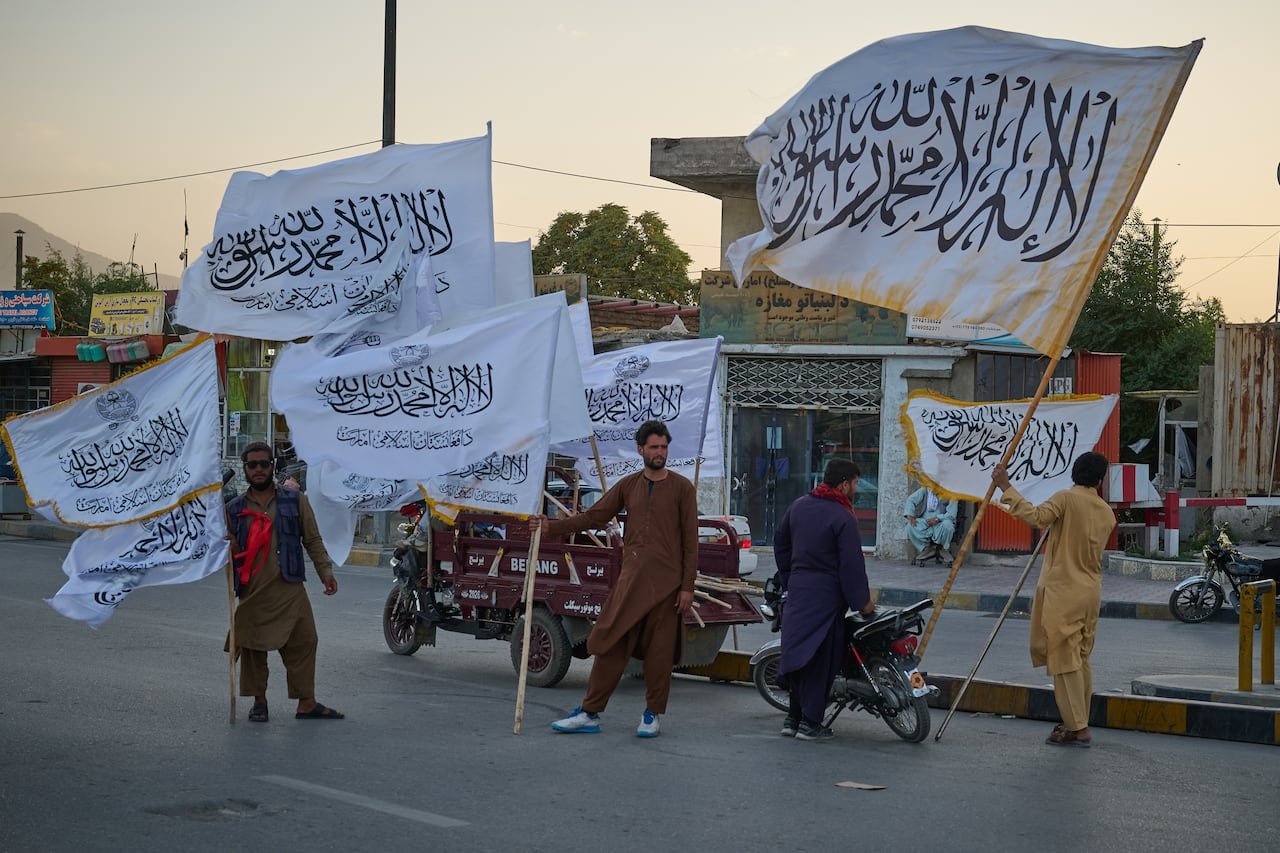
Men sell Taliban flags along a street ahead of celebrations marking the fifth anniversary of the U.S. withdrawal and the start of Taliban rule in Kabul, Afghanistan, Friday, Aug. 14, 2026. (AP Photo/Nava Jamshidi) (AP Photo/Nava Jamshidi)
UNICEF reports that Afghanistan stands as the sole nation globally banning women from secondary and higher education,