
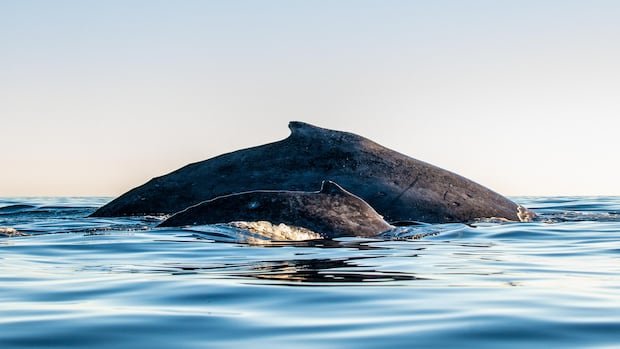

Canada boasts a rich diversity of whale species, with 35 varieties, including baleen and toothed whales, gracing its waters. Summer marks the prime season for whale-watching in Canadian coastal regions, from Newfoundland to Vancouver Island. As temperatures rise, these majestic marine mammals, along with dolphins and porpoises, migrate to Canadian waters in search of sustenance, offering an ideal opportunity for enthusiasts to embark on whale-watching tours.
However, not all whale-watching experiences are alike. Exceptional tours go beyond mere sightseeing, providing an immersive and educational encounter led by knowledgeable local guides. Nicole Leavitt, a senior marine biologist at Island Quest Marine in Saint Andrew’s, N.B., emphasizes the importance of education in fostering appreciation and conservation of whales. Many guides double as citizen scientists, actively contributing to ongoing research on marine life in their areas.
Reputable tour operators adhere to strict codes of conduct, prioritizing the well-being of the animals. These guidelines include maintaining a safe distance from the whales, limiting boat presence, and avoiding disruptive behaviors. Simon Pidcock, a former executive of the Pacific Whale Watch Association and owner of Ocean EcoVentures in Vancouver Island, highlights the significance of choosing operators committed to responsible whale-watching practices.
For those eager to set sail, local experts from top whale-watching destinations in Canada provide insights into each location’s unique offerings, best visiting times, resident whale species, and dedicated individuals fostering connections with these magnificent creatures.
In the North Atlantic Ocean, Newfoundland and Labrador emerge as a premier whale-watching destination, hosting the world’s largest humpback whale population during summer. Trinity, N.L., situated near the Bonavista Peninsula, offers abundant opportunities to witness various whale species, including sperm whales, finback whales, minke whales, and orcas.
Moving to the Bay of Fundy, renowned for its dramatic tides, visitors can marvel at minke, finback, humpback, and North Atlantic right whales from June to October. Saint Andrews, N.B., serves as an ideal departure point for whale-watching excursions, promising encounters with diverse marine wildlife against a backdrop of picturesque island vistas.
Quebec’s St. Lawrence River and Seaway present a unique spectacle with belugas and blue whales congregating in the estuary. Tours departing from Tadoussac offer immersive experiences within the Saguenay-St. Lawrence Marine Park, showcasing a rich marine ecosystem teeming with diverse wildlife.
In the Salish Sea off British Columbia’s coast, visitors can observe resident orcas and seasonal humpbacks and grey whales. Parksville and Campbell River serve as gateways to explore this lesser-known whale-watching paradise, where encounters with various marine species, including eagles and sea lions, await.
Western Hudson’s Bay, particularly Churchill, Man., stands out as the beluga capital, hosting over 50,000 belugas in summer. Whale-watching tours from July onwards offer unforgettable moments with these “canaries of the sea,” complemented by sightings of migratory birds and other Arctic wildlife.
Each of these Canadian whale-watching destinations presents a unique opportunity to connect with nature, witness marine marvels, and support responsible tourism practices, ensuring a memorable and sustainable experience for both visitors and the majestic whales that grace Canadian waters.