
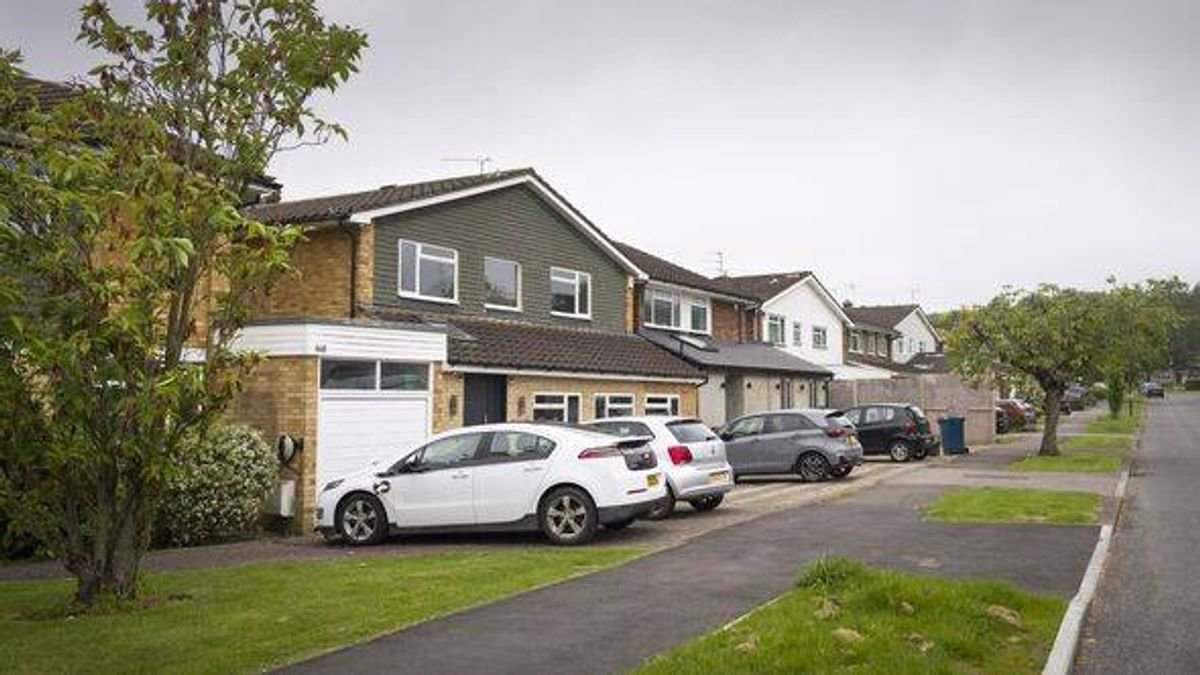

Motorists stand to save up to £1,100 annually due to a recent driveway regulation change, according to authorities. Last year, the Labour party simplified the process for homeowners to set up electric vehicle (EV) chargepoints by eliminating the need for planning permission.
Previously, homeowners had to request planning permission to install an EV charger on their property. However, the updated rules now allow for the installation of a single wall-mounted or pedestal EV charger on driveways without seeking permission.
This adjustment in planning regulations and streamlining of the EV charger installation process is expected to benefit drivers who are considering the switch from traditional petrol and diesel vehicles. The government projects potential yearly savings of up to £1,100 compared to operating a conventional petrol or diesel car.
In response to the announcement, Lewis Gardiner, Operations Director at Osprey Charging Network, voiced his approval for the change. He praised the move, emphasizing the positive impact it will have in expediting the deployment of necessary electrical infrastructure like substations for rapid charging hubs.
The new guidelines specify that chargers must not exceed 0.2 cubic meters and should be positioned at least two meters away from public roads. Despite the relaxed regulations, specific restrictions still apply.
Leaseholders may face challenges as property owners retain control over modifications. Similarly, residents in newer housing developments might encounter deed restrictions that prohibit external alterations, including charger installations.
Shared driveways could pose difficulties, with potential disagreements among neighbors regarding installation rights. Currently, the UK has around 1.75 million fully electric vehicles, and the demand for EVs continues to rise. Recent data from SMMT indicates a yearly 8% increase in registered electric car numbers, with 47,000 new electric cars registered in 2025 compared to the previous year.