
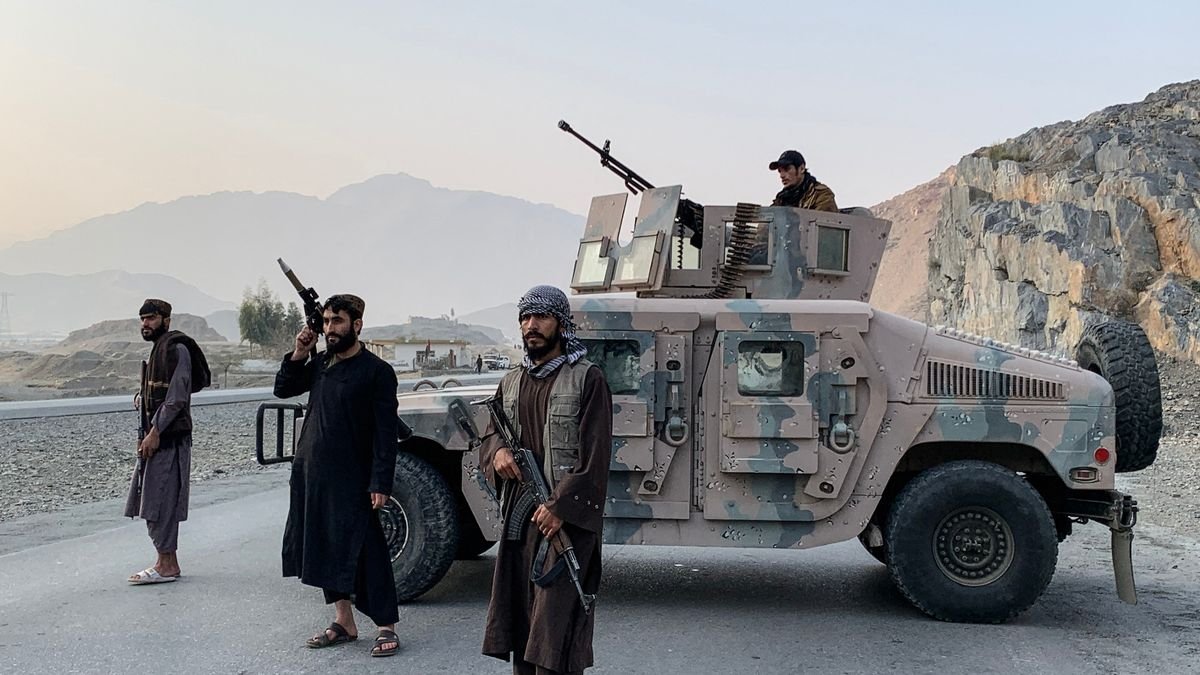

Tensions between Pakistan and Afghanistan have escalated into a war following long-standing accusations of terrorist activities by the Taliban infiltrating Afghanistan. This conflict, the most intense in decades, unfolds amidst global instability due to Russia’s actions in Ukraine and the potential for US strikes on Iran.
Both Russia and Iran have urged restraint from both sides to avoid further bloodshed, as the US contemplates military action against Iran. The presence of the USS Gerald R Ford near Israel, alongside the readiness of the USS Abraham Lincoln strike force in the Arabian Sea, signals a looming crisis in the Middle East.
Amidst this backdrop, Pakistan conducted airstrikes on Kabul and other Afghan cities, citing a series of violent attacks orchestrated from within Afghanistan as the reason. The longstanding animosity between the two nations, exacerbated by border skirmishes and clashes with the Taliban, has now erupted into open hostilities.
Central to the conflict is Pakistan’s claim that Afghanistan harbors the Tehreek-e-Taliban, a group allegedly responsible for attacks on Pakistani soil. Despite denials from the Taliban, militant networks like the Haqqani group thrive in Taliban-controlled Afghanistan, with historical ties to Pakistan’s intelligence agency.
Pakistan’s strategic interests in Afghanistan, particularly as a buffer against Indian influence, have fueled its involvement in the region. This complex geopolitical landscape underscores the intricate power dynamics at play, with both countries navigating a delicate balance between cooperation and conflict.
The recent strikes on Afghan cities by Pakistan mark a concerning escalation in tensions, despite a fragile ceasefire agreed upon in October 2025. The fallout from the Taliban’s takeover of Afghanistan in 2021, supported by Pakistan, has further strained relations between the neighboring nations, highlighting the intricate web of alliances and rivalries shaping the region’s security landscape.