
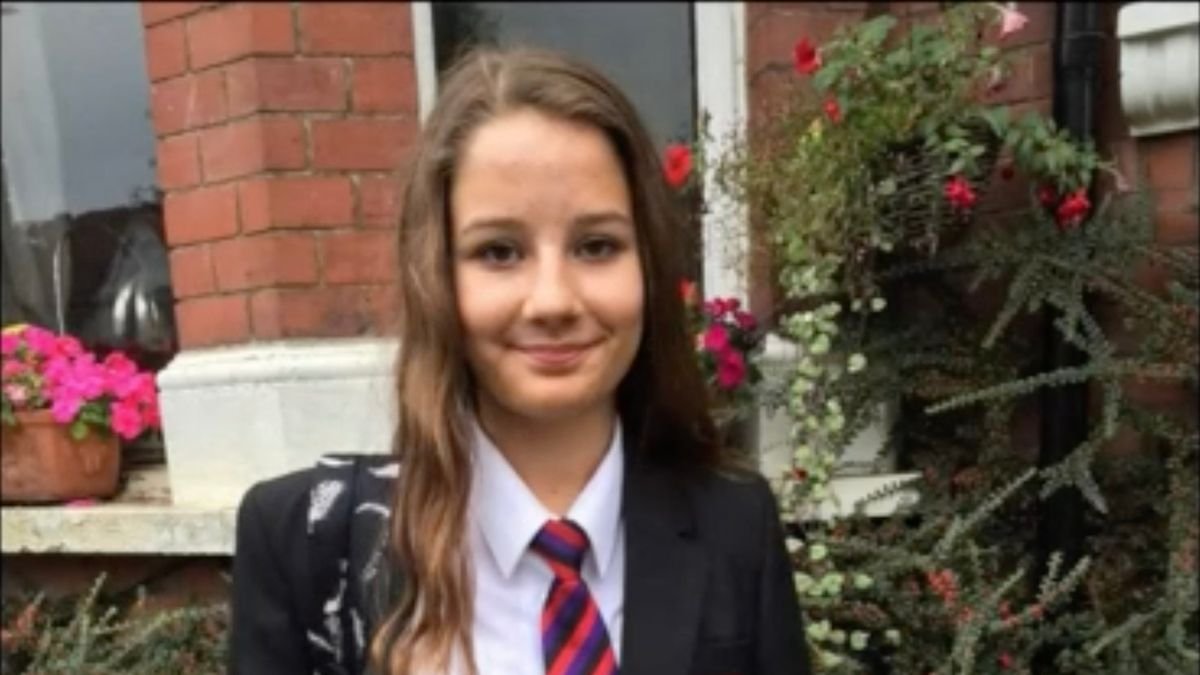

A father, whose 14-year-old daughter tragically ended her life due to online dangers, has criticized the UK for its heightened push towards implementing a ban on social media for individuals under 16 years old. Ian Russell, whose daughter Molly passed away in 2017 after being exposed to harmful online content, has joined forces with over 40 organizations, experts, and grieving parents to oppose what he refers to as a simplistic approach to the internet crisis.
Russell has expressed concerns that calls for a ban are driven by political motives rather than solid evidence, and he believes that such measures do not compel tech companies to genuinely enhance the safety of their platforms. As an advocate for online safety and suicide prevention, he underscored the heart-wrenching notes left by his daughter, urging policymakers not to further isolate struggling teenagers.
The debate over implementing a social media ban for under-16s has intensified recently, following Australia’s recent enforcement of such a ban. Keir Starmer, whose stance has evolved over the week, stated that all options are being considered regarding a potential ban in the UK.
In an interview with The Mirror, Russell cautioned against the potential consequences of a ban, expressing fears that it could drive vulnerable youth towards unregulated online spaces or exacerbate their isolation. He emphasized that the focus in the UK should be on addressing the root causes of online harms rather than merely addressing the symptoms.
Russell, who chairs the Molly Rose Foundation dedicated to suicide prevention, emphasized the importance of understanding the positive aspects of social media, such as learning new skills or hobbies. He stressed that bans do not incentivize platforms to improve their safety measures and highlighted the need for comprehensive actions to tackle online risks effectively.
A collective statement endorsed by numerous stakeholders, including charities, experts, and bereaved parents, was shared with The Mirror, cautioning that blanket bans on social media for children could lead to unintended negative consequences. The statement emphasized that such bans might create a false sense of security, potentially driving children to riskier online platforms and exposing them to various threats, particularly affecting girls.
The debate surrounding social media bans is ongoing, with various stakeholders advocating for a more nuanced approach that addresses the underlying issues while safeguarding children’s well-being.