
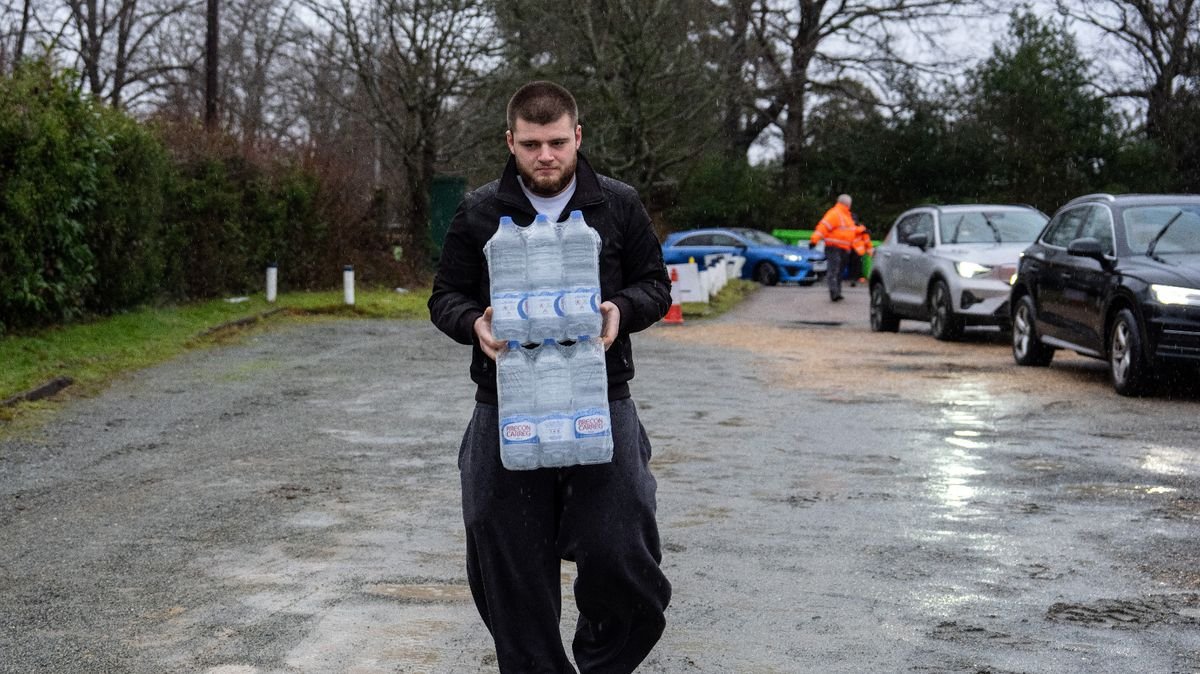

The recent controversy surrounding South East Water highlights the water industry’s tendency to shift blame away from itself for its current predicament. The industry has a history of finding faults with various aspects, whether it’s excessive or insufficient rainfall or even the color of the rain. In reality, billions of pounds have been extracted from the system, with investors reaping significant dividends while customers have been left unsatisfied. This profit-driven approach has led to the degradation of once-pristine water bodies, turning them into polluted environments.
The privatization of the water sector in the late 1980s, spearheaded by Margaret Thatcher, initially brought much-needed investments. However, the subsequent focus on profit maximization led to a scenario where companies prioritized financial gains over customer satisfaction. Consequently, the industry is now dominated by wealthy investors from around the globe, who view it as a lucrative venture due to its captive customer base and regulated profit margins.
Critics argue that returning the water industry to public ownership could be the solution to its woes, citing successful nationalization efforts in other countries. They emphasize the need to end the exploitation of consumers and bring accountability back into the sector. Currently, top executives in water companies earn substantial salaries, often escaping scrutiny until operational failures occur.
In the case of South East Water, the company’s CEO, David Hinton, drew criticism for receiving a significant overtime payment on top of his already substantial salary, coinciding with a steep rise in customer bills. While executives enjoy lucrative compensation packages, frontline workers in water firms, such as engineers and call center staff, bear the brunt of public dissatisfaction when issues arise.
Efforts by political parties like Labour to address systemic issues within the industry are seen as a positive step towards ensuring a more sustainable and customer-focused water sector. The ultimate measure of success will be when water bodies are clean enough for recreational activities, anglers can enjoy their pastime without pollution concerns, and households can trust that their water supply is reliable without facing exorbitant bills.