

The start of the upcoming year signals a wave of fresh regulations that British citizens should keep an eye on in the months ahead.
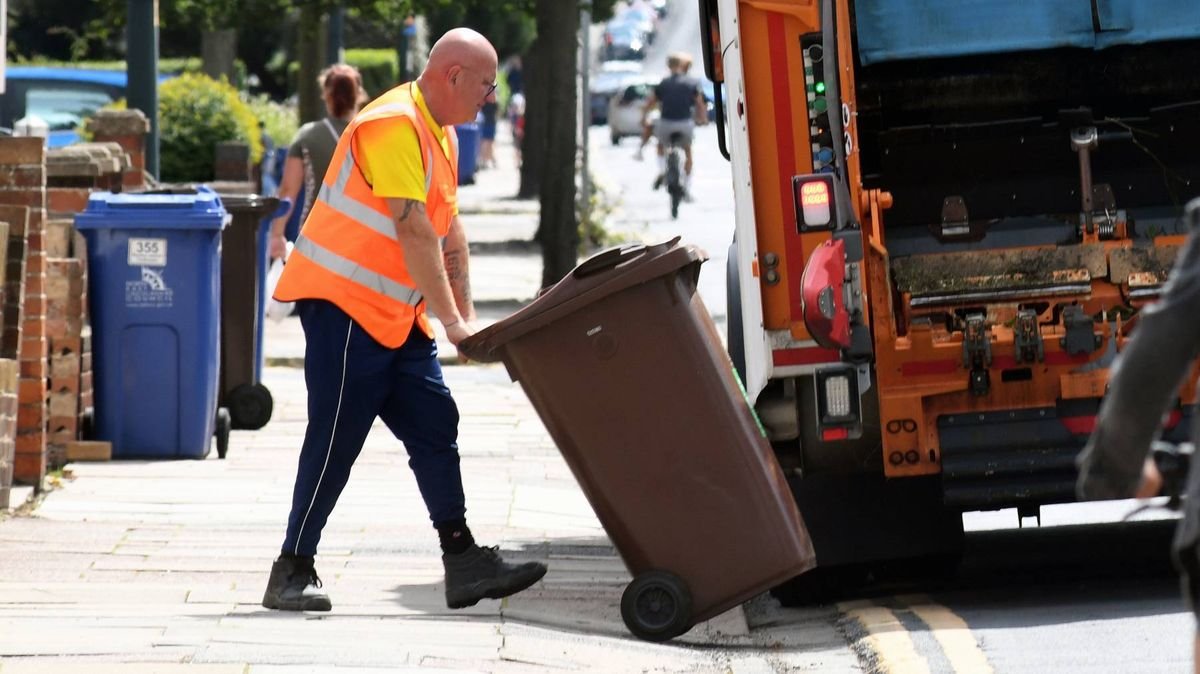
For travelers, new border controls and a £17 fee for European travel will be introduced by late 2026. Additionally, households may need to manage an extra bin due to updated recycling laws requiring waste separation into four distinct categories.
Efforts to combat unhealthy eating habits continue with a ban on junk food advertising and restrictions on children purchasing high-caffeine drinks. Workplace regulations will also be enhanced to bolster employee rights, accompanied by a minimum wage hike in the spring.
Renters can anticipate significant changes with the implementation of a ban on no-fault evictions, termination of fixed contracts, and bidding wars. The crackdown on benefit fraud will persist with the introduction of new powers for automatic debt collection.
Moreover, Brits traveling to Europe should be aware of the new Entry Exit System (EES) requiring registration at the EU border. A fee of 20 euros, approximately £17, will be levied for European Travel Information and Authorisation System (ETIAS) applications towards the end of 2026.
In the UK, visitors from 85 nationalities will need an Electronic Travel Authorisation (ETA) from February 25. The government is also planning to introduce new rules to boost recycling rates among households and combat ticket touting.
Furthermore, major reforms are expected in areas like employment rights, housing rental laws, and anti-terror regulations. The changes aim to provide stronger protections and rights for workers, tenants, and event attendees.
Overall, these legislative updates will impact various aspects of daily life for Brits and visitors alike, shaping the regulatory landscape in the months and years to come.