
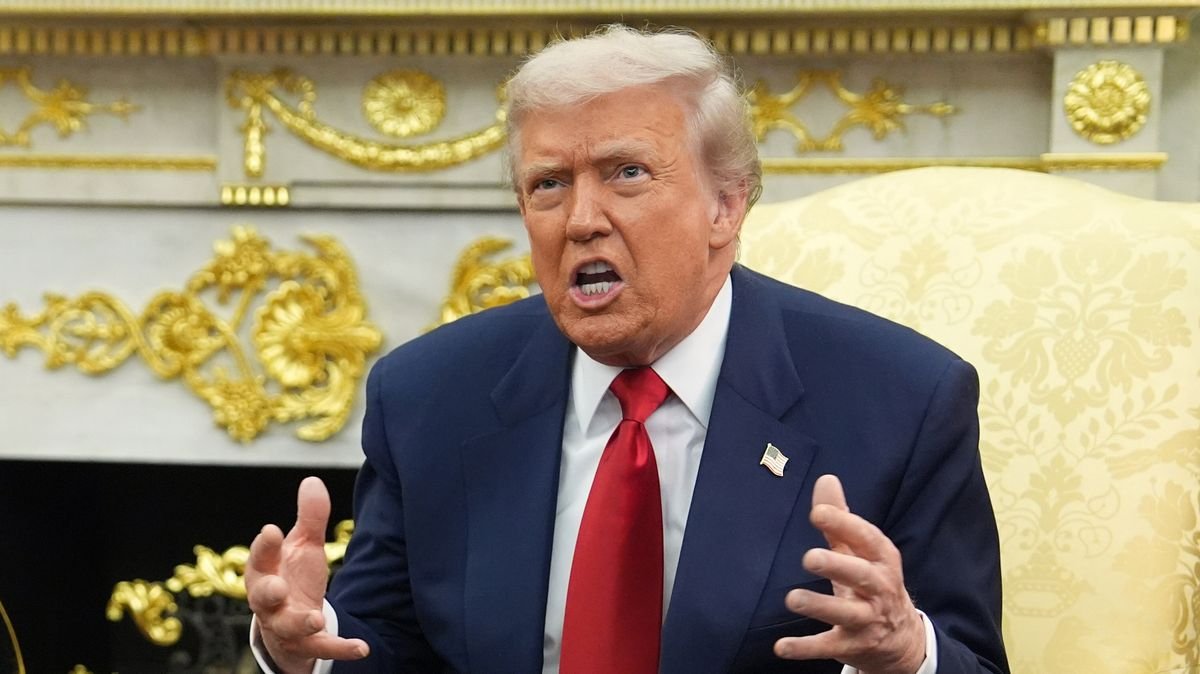

The man with diminutive hands, who has previously experienced a loss of power, was not likely to retain authority for an extended period. Donald Trump’s diminishing political influence is evidently escaping his grasp, yet the media’s focus remains on his statements rather than his declining strength.
Amid a sluggish US economy and escalating prices, Trump faces a rising opposition, indifferent supporters, and diminishing achievements in international affairs. Criticism even extends from deceased figures like Jefrey Epstein. His trajectory seems fixed on becoming the least popular US president in recent history.
As Trump’s popularity plummets, he exhibits signs of frustration typical of a declining bully. The potential repercussions are evident, as seen in recent events at the Capitol. Despite his evident decline, Trump appears oblivious, akin to a dementia patient reacting without full comprehension.
Multiple factors contribute to Trump’s unpopularity, including unfulfilled promises on economic policies and border control. Additionally, his advancing age, health concerns, and reduced public appearances further underscore his diminishing influence.
With his political tenure in its twilight phase, Trump faces the looming prospect of successors within his party and resurging opposition from the Democrats. The potential scenarios of a younger, more vigorous replacement exacerbate his anxieties, potentially leading to internal turmoil and reckless actions.
Furthermore, Trump’s erratic behavior and recent directives to resume nuclear testing pose a global risk. The potential escalation of nuclear activities could trigger a dangerous arms race, jeopardizing international stability and democracy itself.
In essence, Trump’s decline could either offer a reprieve from his tumultuous leadership or lead the world into a perilous abyss. The crucial need to scrutinize his actions and their implications remains paramount for navigating these uncertain times.