
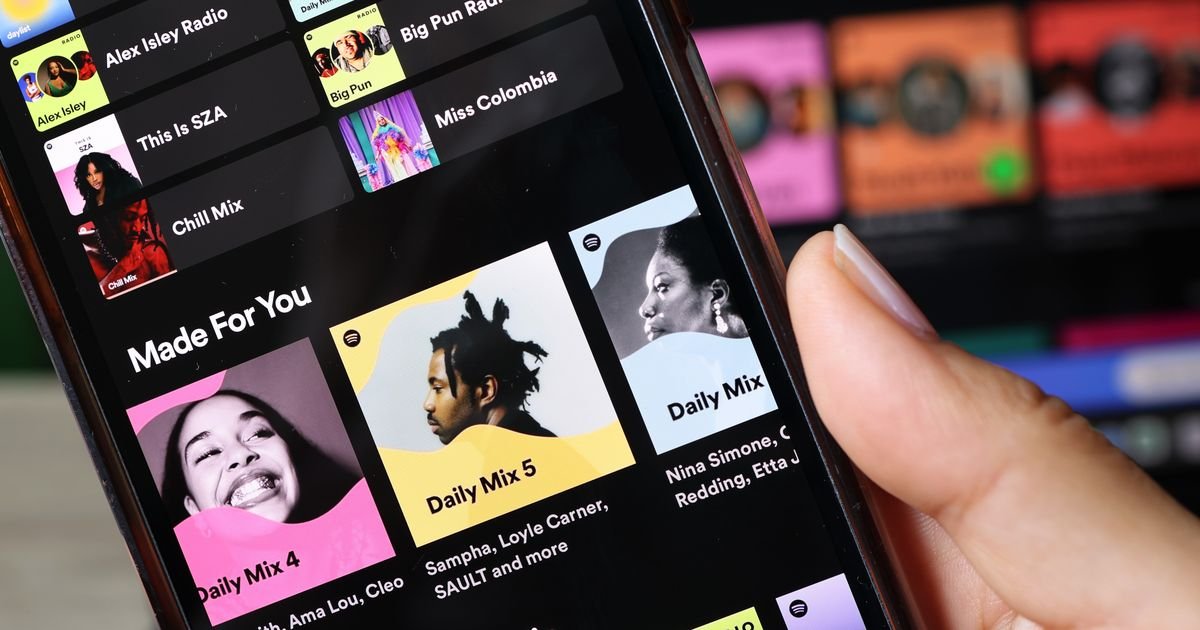

Spotify Wrapped, the annual event that showcases users’ listening data, has once again captured the attention of music enthusiasts. This popular feature by Spotify compiles a personalized summary of users’ top artists, most-listened-to songs, favorite genre, and their ranking among other fans of similar musicians.
Sharing this musical data with friends has become a traditional part of the holiday season excitement for many. However, some users have raised concerns about the accuracy of Spotify’s data presentation. Recent revelations suggest that Spotify Wrapped may not provide a completely precise reflection of users’ listening habits, especially when compared to data from other tracking apps like Last FM or Stats FM.
The discrepancy in data accuracy does not imply any intentional manipulation by Spotify to promote specific artists. Rather, the difference arises from how Spotify collects and processes user data, including a defined cut-off point in their tracking period. Users like Sean, who compared data from Last FM with Spotify Wrapped, noted significant variations. For instance, a song he listened to 47 times was only registered as 22 listens on Spotify, highlighting the impact of the cut-off period on data accuracy.
It has come to light that Spotify’s tracking period typically spans from January 1st to mid-November, omitting the last month of the year. This means that any songs listened to after the cut-off date, even if played frequently, may not be reflected in the annual summary. Consequently, users might not see certain recent favorites in their Spotify Wrapped results.
Experts at SeatPick have echoed Sean’s observations, emphasizing that the cut-off period plays a crucial role in the accuracy of Spotify Wrapped data. Additionally, factors such as song duration, background listening habits, and the platform’s marketing focus on creating an engaging narrative for users can also influence the perceived accuracy of the data.
In conclusion, while Spotify Wrapped offers an entertaining summary of users’ musical preferences, it may not capture the complete picture due to certain limitations in data collection and processing methods. Users are advised to interpret the results with a level of skepticism, considering the tool’s primary function as a shareable marketing feature rather than a comprehensive data analysis tool.