
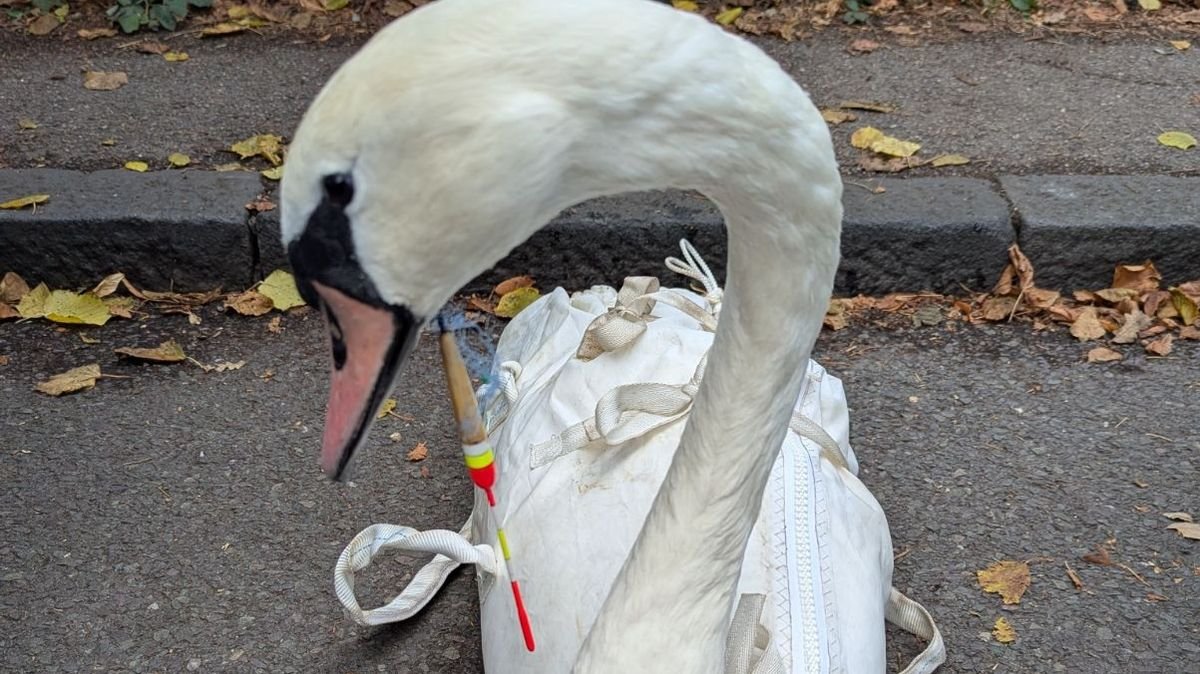

The RSPCA deals with around 10 calls daily regarding animals harmed by discarded waste, illustrating the impact of our littering crisis. The charity believes these numbers are just the beginning as many species, like wild birds, often go unnoticed. It stresses the importance of responsible disposal of packaging to prevent devastating consequences. The RSPCA encourages participation in Keep Britain Tidy’s 11th Great British Spring Clean, running until March 29th, to help eliminate litter and safeguard various wildlife, including hedgehogs facing declining numbers due to habitat loss, pesticides, and road accidents.
Environment Secretary Emma Reynolds supports the initiative, emphasizing the severe effects on wildlife caused by getting trapped in items like bottles, jars, and cans. She highlights the need to address the challenge of littering and its detrimental impact on the environment. Recent incidents, such as a baby hedgehog trapped in a zip-tie and a distressed tawny owl entangled in a discarded football net, underscore the dangers that litter poses to wildlife. The RSPCA urges the public to be mindful of their waste and dispose of it responsibly to protect animals’ lives.
Efforts to combat waste crimes are intensifying, with measures like enhanced drone surveillance to locate illegal dumps and increased coordination between authorities to address large-scale waste operations. The government is cracking down on fly-tipping and waste criminals, aiming to restore pride in communities and promote environmental stewardship. By supporting initiatives like the Great British Spring Clean, individuals can contribute to a cleaner environment and send a clear message against littering and illegal waste disposal.
The Great British Spring Clean, in collaboration with Keep Britain Tidy, has seen over 4.5 million bags of litter collected since 2016. This year, individuals and groups are encouraged to participate in the cleanup from March 13th to 29th by signing up on keepbritaintidy.org. Utilizing safety equipment like litter-pickers and gloves is recommended, along with proper hand hygiene and waste disposal practices to ensure a successful cleanup effort.