
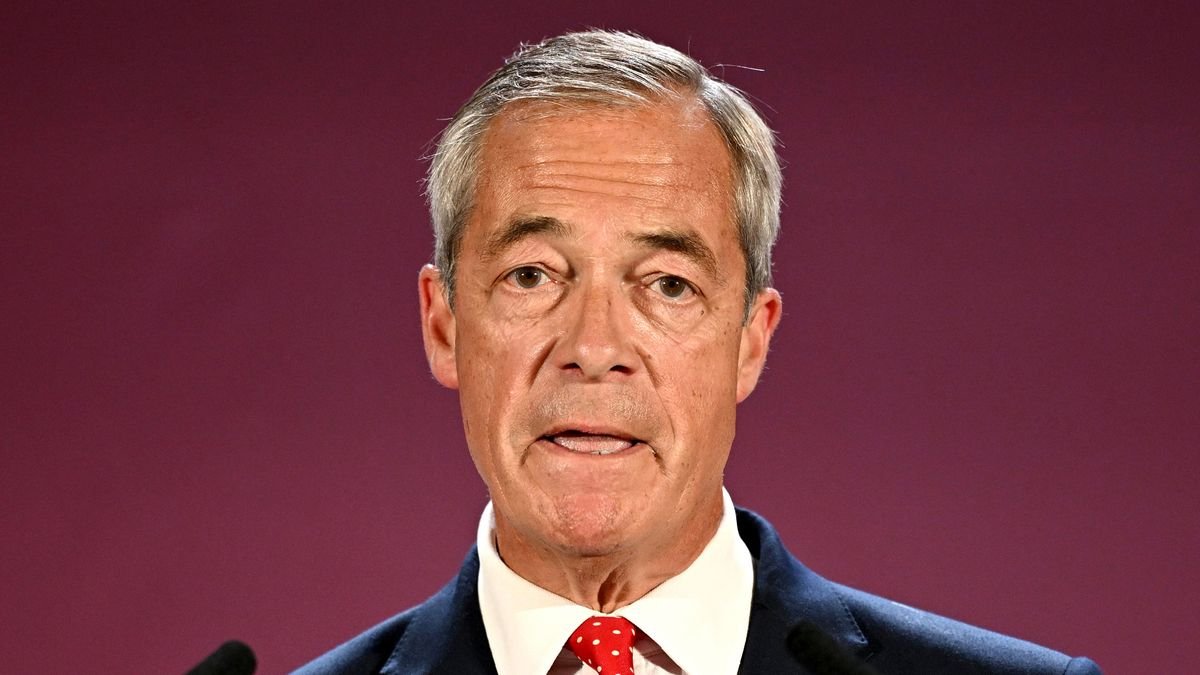

Nigel Farage is eyeing the position of Prime Minister and has outlined several pledges in his pursuit of leadership. Reform UK is advocating for policies such as mass deportations, significant budget cuts amounting to hundreds of billions, and tax reductions for high-income earners. The Prime Minister, in a recent address to ministers, emphasized that 2026 would mark a turning point for Britain’s transformation, introducing various key policies starting next year. These initiatives include enhanced neighborhood policing, removal of the two-child benefit limit, a freeze on rail fares, and a projected decrease in energy costs.
Despite Reform’s lead in opinion polls, Nigel Farage still faces a -4 approval rating based on recent Mirror polling data. The public remains skeptical of his party’s stance on various issues. Notably, Reform has proposed reducing the state size to 35% of GDP, necessitating nearly £300 billion in public spending cuts. Deputy leader Richard Tice revealed this ambition on a podcast, implying a substantial £274 billion slash in government expenditures based on current GDP metrics.
Reform UK has not specified the specific areas for these cuts, but former Prime Minister Gordon Brown anticipates schools and hospitals to bear the brunt. Additionally, Reform has suggested a £26 billion reduction in NHS funding while offering tax incentives to individuals capable of affording private healthcare. Nigel Farage has articulated his preference for alternative funding mechanisms for the NHS, suggesting a shift away from general taxation towards insurance-based models.
Moreover, Reform UK has come under fire for proposing a Britannia Card scheme, allowing foreign billionaires to circumvent UK taxes by paying a £250,000 fee. Critics argue that this policy could lead to a significant revenue loss for the UK. In another controversial move, Farage announced plans to revoke indefinite leave to remain status, potentially resulting in the deportation of hundreds of thousands of legal migrants. The Reform UK policy regarding clean energy projects has raised concerns, with Labour warning of jeopardizing numerous jobs across the country.
Furthermore, Reform UK’s stance on online safety laws, employment rights, and benefits for European Union citizens has sparked debate and criticism. The party’s positions on fracking, climate change, and trade relations have also drawn scrutiny. Peter Kyle, the Technology Secretary, has condemned Reform’s proposal to repeal online safety legislation, highlighting potential risks associated with such actions.
In summary, Nigel Farage and Reform UK’s policy agenda encompass a wide range of controversial proposals that have elicited mixed reactions from the public and political commentators. The party’s vision for the future of the UK involves significant reforms across various sectors, but the potential implications and feasibility of these measures remain subjects of intense debate.