
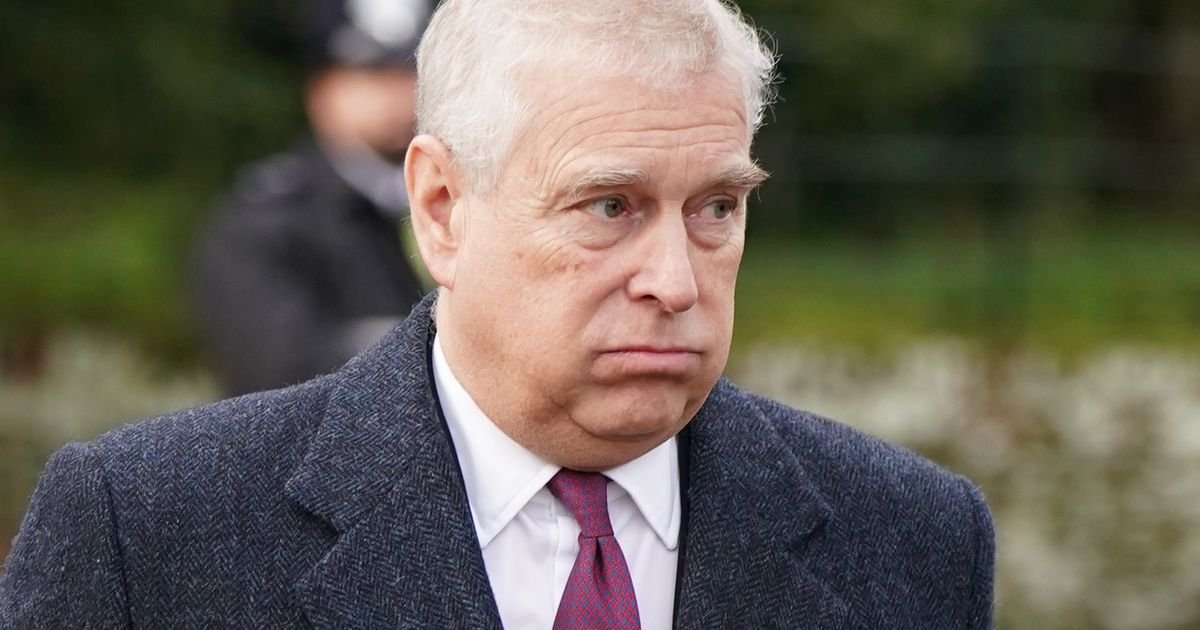

If Andrew Mountbatten-Windsor had hoped that the scandal surrounding him would fade away, the recent release of images from Jeffrey Epstein’s private Caribbean retreat has shattered that illusion. The ongoing controversy continues to engulf him, with each new revelation casting a darker shadow on his connection to the infamous island of Little St James.
The newly uncovered photographs, sourced from files of the US Virgin Islands authorities and shared by the US House Oversight Committee, offer a haunting glimpse into the hidden reality of a place long associated with exploitation and secrecy, rather than the idyllic paradise it appeared to be. These images provide a stark portrayal of the island’s interior, revealing abandoned spaces and unsettling scenes that underscore the troubling history linked to it.
What makes this latest disclosure particularly damaging for Mountbatten-Windsor is not just the visual evidence itself – the closed-off rooms, the eerie remnants, and the ominous details captured in the photos are disconcerting on their own. It is the broader context in which these images are being scrutinized.
These materials are part of an active political inquiry in Washington that seeks transparency regarding Epstein’s network and the individuals who frequented his private enclaves. This ongoing investigation ensures that the spotlight will remain fixed on Andrew, with no respite in sight. Despite efforts by the Palace to distance themselves from the scandal by removing Andrew from official duties, each new piece of evidence, including these latest images, serves as a stark reminder that this chapter is far from concluded.
In the United States, lawmakers are intensifying their scrutiny of Epstein’s connections with influential figures, and the release of these images marks just the beginning of a wider examination. Calls for the full disclosure of remaining federal files related to Epstein indicate that the scandal is poised to expand further, potentially exposing more uncomfortable truths about his elite social circle.
Andrew’s admission of having visited Epstein’s properties and stayed on the island depicted in the images, as highlighted in his ill-fated television interview, has failed to dispel the cloud of suspicion surrounding him. Despite his claims of innocence and withdrawal from public life, investigators and political bodies remain undeterred in their pursuit of the truth.
The unveiling of these new images is expected to reignite public interest in the case, offering a sobering reminder of the dark underbelly of a world designed for clandestine operations and exploitation. The abandoned rooms serve as poignant reminders of the alleged trafficking activities that took place within those walls, underscoring the gravity of the situation.
As political pressure mounts and demands for full transparency grow, Andrew finds himself at the center of a maelstrom that shows no signs of abating. The continued revelations from Little St James serve as a persistent reminder that the island’s secrets are far from being buried, and Andrew’s association with it remains a subject of intense scrutiny.
For a man who once navigated effortlessly through the upper echelons of society, the enduring nature of this scandal serves as a profound humiliation, overshadowing any hopes of it fading into obscurity.