

The National Trust for Scotland has reported the discovery of seven rare species at its sites in 2025, marking a significant success in its conservation endeavors. These findings include corncrake chicks, lichen, a rare fungus, and an unusual beetle, many of which are exclusive to Scotland, the UK, or even globally.
According to the National Trust for Scotland (NTS), these discoveries highlight the crucial need to protect nature and shed light on the challenges faced by these fragile ecosystems due to climate change and habitat loss.
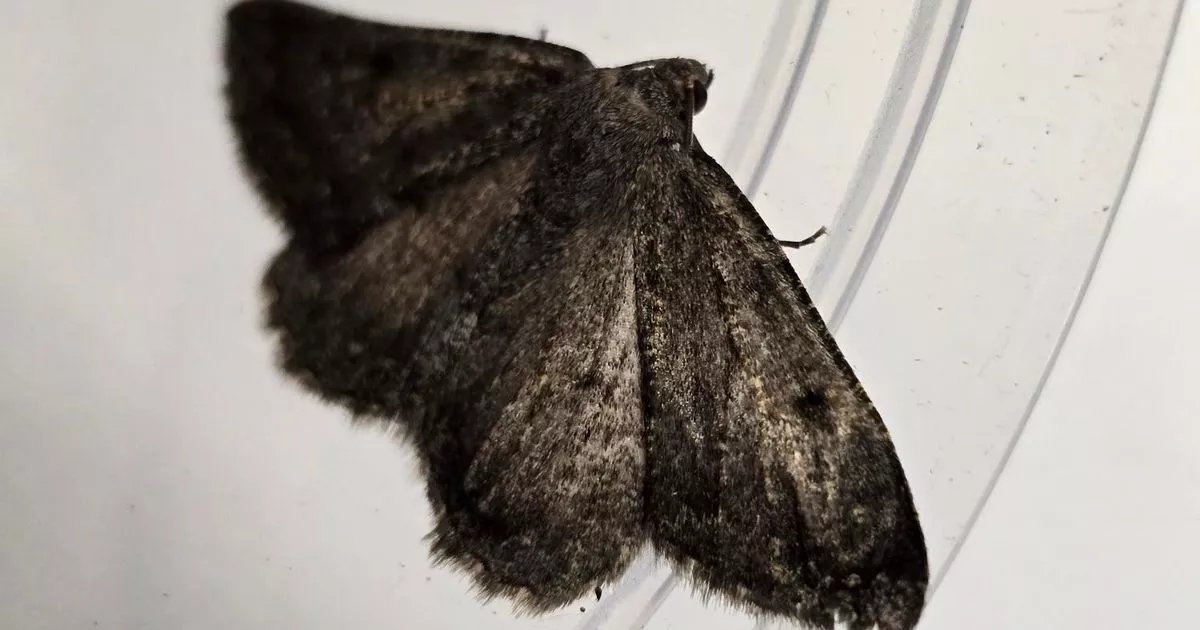
Among the species identified are corncrake chicks on the Treshnish Isles, confirming the successful breeding of this endangered species on the archipelago. Additionally, a Scotch annulet moth was spotted on the Isle of Canna after a 46-year absence, while a rare rove beetle was found at Ben Lawers National Nature Reserve.
Jeff Waddell, head of nature conservation at NTS, emphasized the organization’s dedication to preserving and enhancing habitats for species to thrive. He stressed the significance of these discoveries in showcasing the impact of conservation efforts while underscoring the ongoing need for vigilance and support to protect these delicate ecosystems.
The 2025 findings also included the identification of a rare fungus, the thriving population of small cow-wheat at Glencoe National Nature Reserve, and the discovery of the rare lichen Thelocarpon actonii at the same reserve.
Mr. Waddell highlighted that these discoveries not only contribute to scientific knowledge but also highlight the uniqueness and resilience of Scotland’s landscapes. The NTS, responsible for over 100 sites across various terrains, remains committed to safeguarding and restoring habitats for the long-term well-being of these remarkable species.