
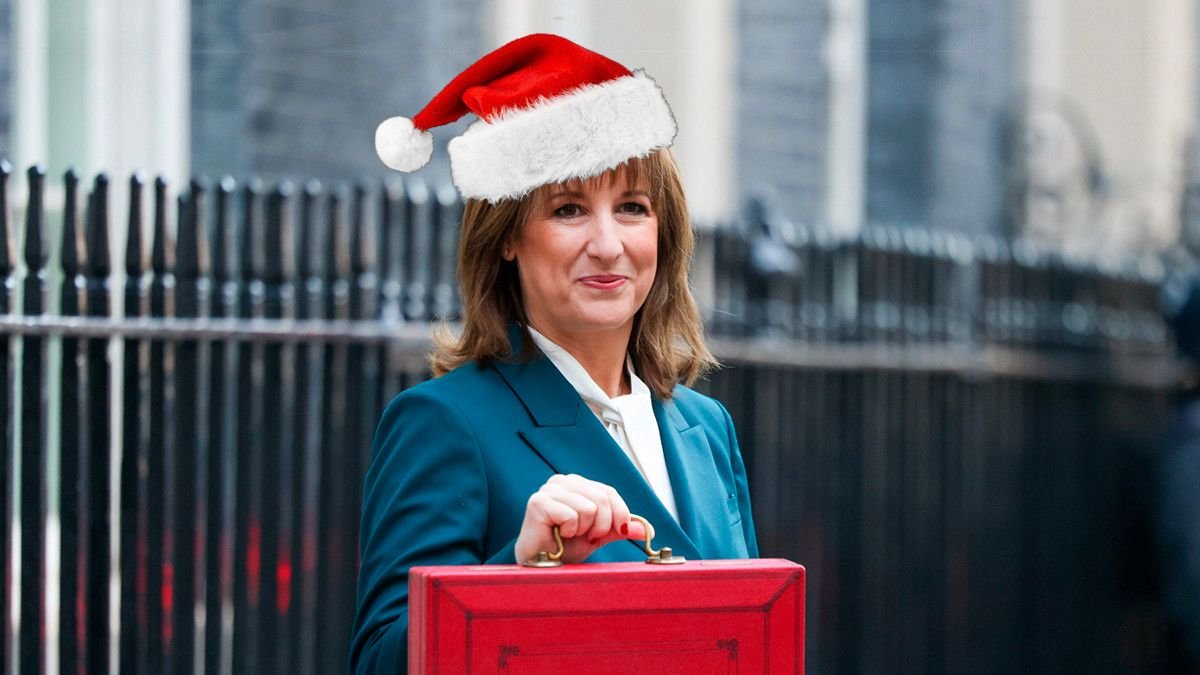

In a significant move during the recent Budget, Rachel Reeves, a prominent figure in the Labour party, has been praised for positively impacting the lives of 450,000 of the most underprivileged children in the UK. This action stands out as a beacon of hope amidst an otherwise challenging Budget presented by Reeves, showcasing her ability to navigate difficult circumstances with compassion.
The Budget included various measures aimed at easing financial burdens on households, such as a £150 reduction in household fuel bills, an increase in the minimum wage, and adjustments to rail fares and prescription charges in England. However, the standout moment came with the abolishment of the controversial two-child benefit policy, which had been widely criticized for its intrusive requirements.
The decision to eradicate this policy marks a pivotal moment for the Labour Government, demonstrating a commitment to social justice and leaving behind the legacy of previous administrations. Despite facing opposition from some quarters, including within her own party, Reeves championed the cause of vulnerable children and families, ultimately leading to a significant policy change.
Acknowledging the financial implications of certain decisions, the Budget also addressed concerns about tax thresholds and their impact on household incomes. While adjustments may pose challenges in the short term, the overall trajectory suggests a gradual improvement in living standards, with the current government prioritizing public spending to benefit a majority of households.
The reaction to these developments has been mixed, with divisions apparent between political ideologies. While some criticize the redistribution of resources, others view it as a step towards a fairer society. In a political landscape defined by allegiances, Reeves’ actions have sparked debates and discussions, underscoring the importance of standing up for those in need.
Despite potential uncertainties and criticisms, Reeves’ role in reshaping social policies cannot be overlooked. Her transformation from a cautious approach to a more proactive stance against child poverty reflects a commitment to making a tangible difference in people’s lives. As the political landscape continues to evolve, the impact of such decisions will shape the narrative of governance in the UK.