
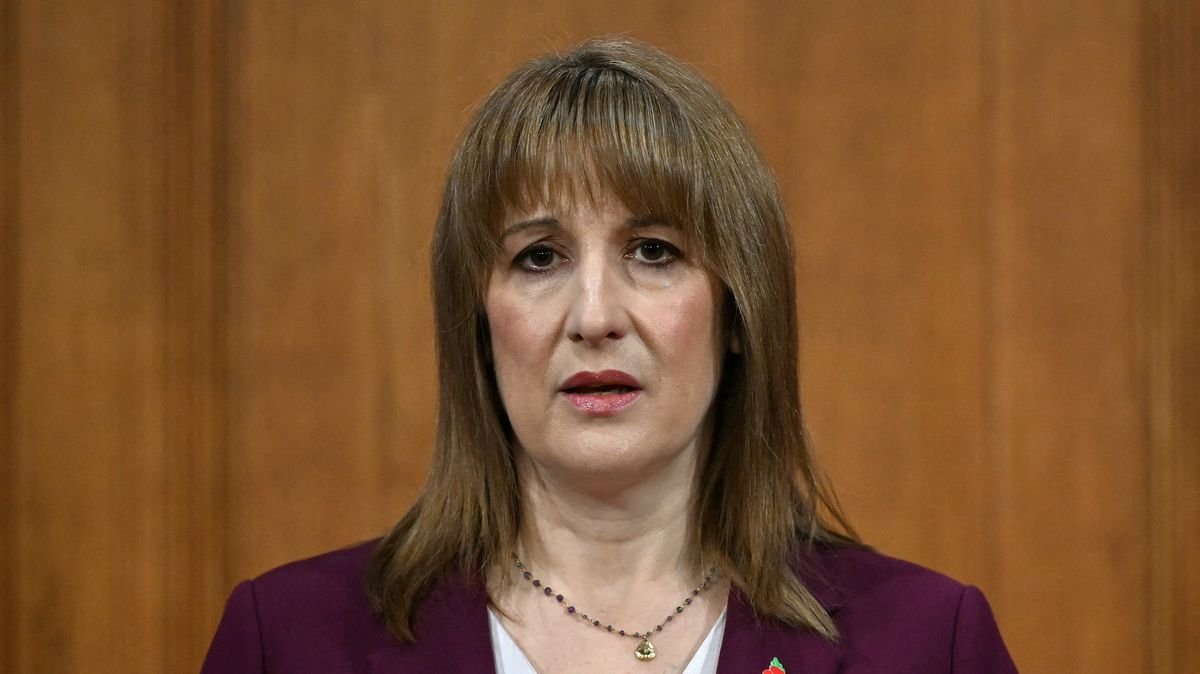

Rachel Reeves has decided to abandon her proposal to go against Labour’s commitment not to raise income tax in the upcoming Budget, as per recent reports. This decision comes despite the Chancellor hinting at potential tax increases in various public appearances over the past few weeks.
Reeves clarified on Monday that no final determinations have been made regarding tax and expenditure with only two weeks left before the Budget presentation. However, she indicated a likelihood of tax hikes by stating that adhering to Labour’s tax pledges without significant spending cuts would be unfeasible.
Recent developments have shown a significant shift in stance, with Downing Street reportedly altering its course following internal strife within the Labour Party. This internal conflict escalated after allegations emerged suggesting a leadership challenge against Keir Starmer, with Wes Streeting purportedly involved in a potential coup, a claim denied by the Health Secretary.
According to reports, Reeves is now exploring alternative methods to address a substantial deficit in public finances. One option under consideration involves reducing the income tax thresholds, while keeping the basic and higher tax rates unchanged.
Reeves’ initial strategy involved a 2p increase in income tax rates alongside a 2p reduction in national insurance rates. This plan aimed to affect non-“working people” such as landlords and pensioners, without impacting the general workforce.
In a speech last week, Reeves hinted at the possibility of deviating from the party’s manifesto by imposing tax hikes, citing the need to address existing financial challenges. She emphasized the necessity to prioritize the country’s interests over potential electoral consequences.
The Culture Secretary, Lisa Nandy, refrained from disclosing specific Budget details, emphasizing the Chancellor’s unwavering focus on national challenges. Nandy highlighted Reeves’ commitment to making fair decisions and upholding promises regarding public finances.
Economist Ben Zaranko from the Institute for Fiscal Studies expressed concerns about the risks associated with retracting the tax increase proposal, warning of potential negative economic repercussions and increased likelihood of future policy reversals due to potential backlash from various interest groups.
In response to speculations, a Treasury spokesperson maintained that they do not comment on tax changes outside of official fiscal events. The spokesperson reiterated the Chancellor’s commitment to presenting a Budget that prioritizes equitable choices to ensure the country’s long-term stability.