
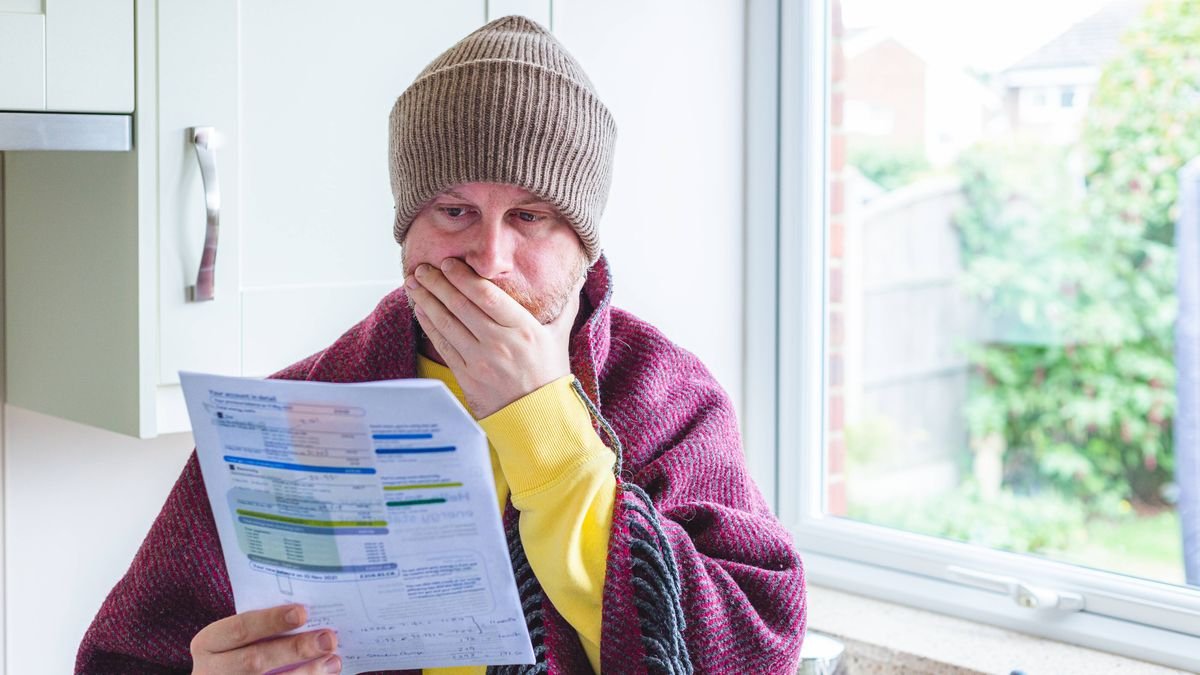

Hopes are rising that the Labour party will reduce energy costs for millions of households in the upcoming Budget. There is speculation that Chancellor Rachel Reeves may eliminate VAT on energy bills, potentially saving an average customer £84 annually. Consumer advocate Martin Lewis is among those pushing for the government to transfer policy expenses from bills to general taxes.
The escalating prices of gas and electricity have worsened the financial strain on many British citizens. Ofgem, the regulator, has confirmed that the price cap for 34 million energy accounts will increase to an average of £1,758 per year in January, defying expectations of a decrease. This rise coincides with a period of heightened energy usage as households combat winter conditions, with nearly half of all gas consumption occurring in the first quarter of the year.
Furthermore, projections indicate that the price cap will further rise by £57 to an average of £1,815 in April, primarily driven by increased charges for maintaining the UK’s energy infrastructure. Average energy bills have surged by nearly £700 from levels five years ago.
Rachel Reeves has pledged to prioritize alleviating the financial burdens on households in the Budget. Science Secretary Liz Kendall hinted at potential government action, emphasizing the need to lower living costs.
The bulk of the new average annual bill of £1,758 comprises purchasing gas and electricity at £690. However, this component has slightly decreased from the previous quarter. Network costs amount to £396, while supplier costs make up £279, with profits allowed at £44 annually.
A significant factor contributing to the upcoming rise in January’s bill is a £21 increment in government policy costs, now totaling £236 per year. This includes various obligations and tariffs, along with funding for the Sizewell C nuclear plant.
Households with minimal gas consumption could face price hikes of around 3% or 4% in January. Martin Lewis highlighted the need to reconsider the allocation of policy costs on electricity bills, suggesting a more equitable distribution through general taxation.
As temperatures plummeted in Scotland, Ofgem’s announcement coincided with the coldest night of the autumn. Efforts are being made to assist households amid concerns over rising bills, with initiatives such as the Warm Homes Discount expanding to support more families.
Various stakeholders, including Independent Age and the Resolution Foundation, advocate for shifting policy costs from electricity bills to general taxation to ease financial strains. The long-term vision includes investing in clean energy to ensure sustainable and affordable power sources.
Industry leaders, such as Energy UK, echo the call for government action to reduce bills effectively. Ofgem’s price cap aims to limit the maximum rates per unit and standing charge for customers not on fixed tariffs, though total bills are still influenced by energy consumption levels.
Tim Jarvis from Ofgem acknowledged that while energy prices have decreased in real terms over the past years, the impact may not be felt directly by consumers.